

What Actually Moves the Needle for a Small Business
TL;DR
You can't out-price a big-box store on cost, so real growth comes from picking one thing to be known for, building systems that run without you glued to your phone, and turning happy customers into your best source of new business.
Pick a Lane Before You Try a Dozen Tactics
It's tempting to try to serve everyone, especially early on when every sale matters. But a business known for one thing — a specific dish, a specific service, a specific kind of customer — spreads by word of mouth faster than a business that's a little bit of everything. Narrowing down isn't playing small; it's giving people a reason to specifically recommend you instead of a competitor down the street.
Think about what happens when someone asks a friend for a recommendation. "Know a good caterer for a big Hmong New Year party" gets a name instantly if you're that caterer. "Know a good general caterer" doesn't, even if you technically do everything the specialist does. The lane you pick doesn't have to shrink your actual offerings — it just has to give people one clear thing to say about you when they're describing you to someone else.
Once you've picked that lane, make sure it looks the same everywhere — same name, same colors, same tone, whether someone finds you on a flyer, a social post, a menu board, or in person. Inconsistent branding makes an otherwise solid business feel unfinished, and people notice that before they notice your prices. If your Facebook page says one business name and your storefront sign says another, or your logo is a different color on your business cards than on your van, fix that before you spend another dollar on ads — it's free to fix and it's actively costing you trust.
Where Small Actually Beats Big
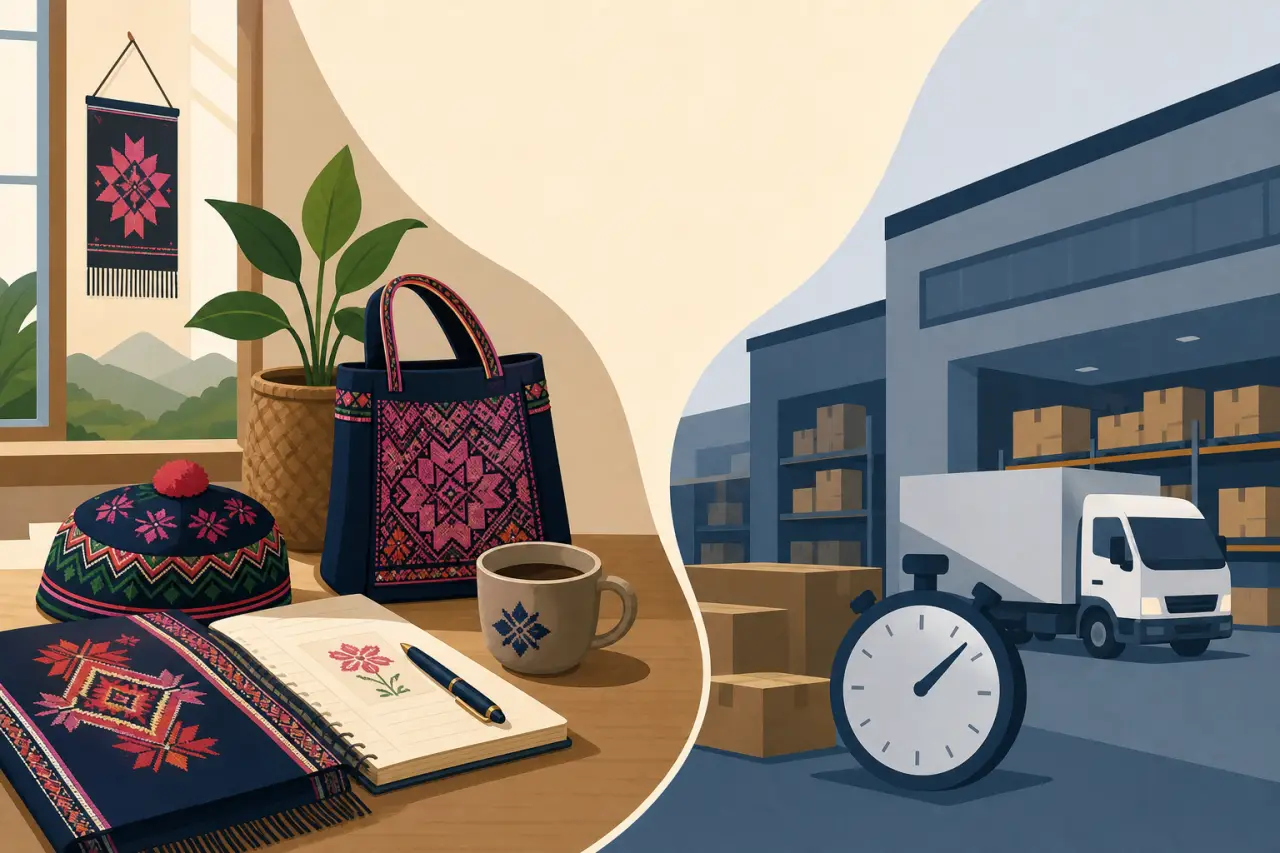
You will never win on price or shipping speed against a warehouse retailer or a national chain, so don't try to compete on those terms. What you can offer that they can't is a real relationship:
- Remembering a regular's order without asking
- Understanding a customer's background without having to explain it
- Being reachable by an actual person who picks up the phone
Lean into that instead of matching a discount you can't afford to match.
This matters even more for a business serving Hmong customers specifically. A big-box store can't:
- Greet someone in Hmong
- Recommend the right size of paj ntaub for a specific ceremony
- Explain a product the way someone who grew up with it can
That cultural fluency is a real competitive advantage, not just a nice touch — treat it as something to actively mention in your marketing, not something customers are just supposed to discover on their own.
The same logic applies to other small businesses around you — they're not only competitors, they're potential partners, and sizing up rivals without copying them is often what tells you which is which. A referral relationship with a complementary business (a caterer and an event venue, a barber and a photographer, a seamstress and a wedding planner) can bring in customers neither of you could reach alone, at no marketing cost beyond the conversation it took to set it up. Ask the businesses you already buy from or work alongside whether they'd be open to swapping referrals — most owners say yes, because it costs them nothing and it's already happening informally anyway.
Build Habits That Don't Depend on You Answering Every Text
A lot of small businesses grow only as fast as the owner can personally handle every order, every message, and every problem — which means growth stalls the moment the owner runs out of hours in the day. If you're the only person who knows how to quote a job, confirm an order, or answer a common question, your business has a ceiling exactly as high as your own attention span.
Start by writing down the answers to the five questions customers ask you most often, somewhere a customer or an employee can find them without texting you directly:
- Hours
- Pricing
- Turnaround time
- Whether you take walk-ins
- How to pay
That alone removes a huge share of the back-and-forth that eats up an owner's day. If you have a listing on a directory site, keep that information current there too, since it's often the first place someone looks before they ever contact you.
If you have even one employee or family member helping out, write down how you actually do the two or three things that happen most often, instead of just showing them once and hoping it sticks:
- Taking an order
- Closing out the register
- Handling a return
A simple checklist beats a verbal explanation every time, because it doesn't get forgotten under pressure and it means you're not the only person who can train the next helper.
Make Your Follow-Through the Thing People Talk About
Plenty of small businesses lose customers not because the product was bad, but because something small went unaddressed — an order was a day late with no heads-up, a question sat unanswered for a week, a mistake never got acknowledged. Customers usually forgive a mistake. They remember, and tell other people about, how you handled it.
If something is going to be late or go wrong, say so before the customer has to ask. A short message — "running about 20 minutes behind, here's why" — costs you nothing and turns a potential complaint into a small trust-builder. Silence is what actually damages the relationship, not the delay itself.
The same principle applies to reviews and public feedback. Respond to every review you get, good or bad, briefly and without being defensive. A thoughtful reply to a critical review often does more for a hesitant new customer than ten five-star reviews with no owner response at all — it shows there's a real person behind the business who takes it seriously.
Turn the Customers You Already Have Into Your Best Marketing
It's far cheaper to get a repeat visit or a referral from an existing customer than to win a brand-new one, but most small businesses put all their marketing effort into the second problem and almost none into the first. If a customer had a good experience, you're leaving something on the table by not giving them an easy way to bring someone else back with them.
A simple way to start: ask, directly and specifically, for the thing you actually want. "If you know anyone else planning a wedding this year, I'd really appreciate the introduction" works better than a vague "tell your friends," because it gives the customer an exact scenario to keep in mind instead of a generic instruction they'll forget by the time they get home.
Coupons and small discounts work the same way when they're targeted rather than blasted to everyone — a "bring a friend" offer or a modest thank-you discount for a customer's next visit costs you very little and gives people a concrete reason to come back sooner than they otherwise would have. The goal isn't to discount your way to loyalty; it's to remove the last bit of friction between "I liked this" and "I'm coming back."

Use Your Community as a Foundation, Not a Ceiling
For a lot of Hmong-owned businesses, the first customers come from the community:
- Family
- Church or temple networks
- New Year gatherings
- Word of mouth within a specific city's Hmong population
That's a real strength, and it's worth continuing to invest in deliberately: showing up at community events, sponsoring a youth sports team, being a visible, dependable presence rather than just an occasional vendor table — the same reason why shop local works as an economic argument, not just a feel-good one, worth making directly to your own customers.
But a business that only ever markets inside that network eventually runs into its size limit, especially in smaller metro areas. The businesses that keep growing usually do both at once — they stay rooted in the community that got them started while also making sure a stranger with no connection to that community can still find them, understand what they offer, and trust them enough to become a customer. That second part usually comes down to unglamorous basics:
- A clear online listing
- A website or profile that actually explains what you do and where you are
- Photos that show real work instead of stock images
If you're not sure how visible you are outside your existing network, try searching for what you do plus your city the way a stranger would — not your business name, since you already know that works. What comes up (or doesn't) is a fair snapshot of how findable you actually are to someone with no prior connection to you.
Track the Handful of Numbers That Actually Tell You Something
Most small business owners either track nothing beyond what's in the bank account, or try to track everything and give up within a month. Neither extreme helps you make better decisions. A short list of numbers, checked on a regular schedule, is worth more than a spreadsheet full of metrics nobody looks at.
For most small businesses, that short list is:
- How many new customers came in this month, and where they heard about you
- How many of last month's customers came back
- What your busiest and slowest times actually are
That third one in particular gets ignored constantly — owners often guess at their slow periods rather than checking, and end up running promotions during weeks that were already going to be busy while doing nothing for the actual slow stretch.
Asking "how did you hear about us" isn't just a nice-to-have data point — it's the single fastest way to find out which of your marketing efforts are doing anything at all. If three months of asking that question turns up mostly one answer, you now know exactly where to spend more of your limited time and money, instead of guessing — and reviewing those numbers on a set schedule is also a natural anchor for setting up your next quarter with a clear priority instead of drifting into it.
Know Which Growth Opportunities to Turn Down
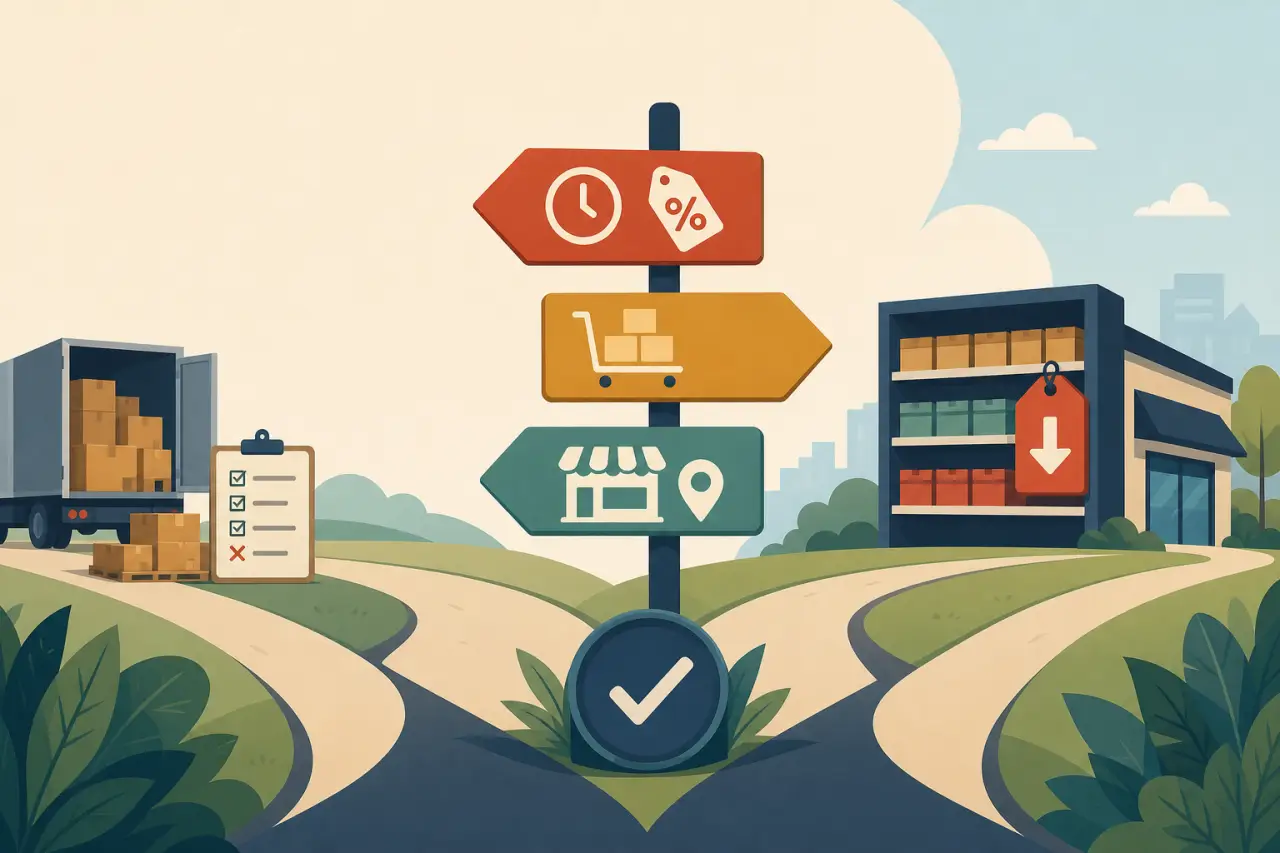
Not every opportunity that looks like growth actually is. These can all look like wins in the moment and quietly damage the business that made them attractive in the first place:
- A big order from a customer who wants a steep discount and a rushed timeline
- A wholesale deal that would require you to drop your retail pricing everywhere else
- A new location before your first one is running smoothly without you there every day
A useful question before saying yes to something big: does this make the business stronger even if it doesn't repeat? A one-time order that pays well but burns out your only two employees and produces no returning customer isn't really growth — it's a favor you did for one customer at your own expense. Growth that's worth chasing usually either brings in customers who'll come back, or builds a system (a process, a piece of equipment, a relationship) that makes the next version of that same opportunity easier to say yes to — picking the right kind of growth matters more than simply picking more of it.
It's also worth being honest with yourself about which parts of growing the business you actually want. Some owners want a bigger operation with employees and multiple locations; others want a smaller, tightly run business that pays them well and lets them keep doing the hands-on work they got into it for. Both are legitimate goals, but chasing the wrong one because it's what growth is "supposed to" look like is how a lot of otherwise successful small businesses end up stressed and profitless at the same time.
Questions people ask
How do I get people to recommend my business more often?
Pick one specific thing your business is known for — a specific dish, service, or type of customer. When someone asks a friend for a recommendation, they'll think of you instantly if you're the specialist, not if you do everything a little bit. Your lane doesn't have to limit what you actually offer; it just needs to give people one clear thing to say about you.
What can I compete on if I can't match big retailers on price?
Compete on relationships. Remember a regular's order without asking. Understand their background without explanation. Be reachable by a real person who picks up the phone. If you serve Hmong customers, your ability to greet them in Hmong, recommend the right size of paj ntaub, or explain a product the way someone who grew it up with it can — that's a real advantage to actively mention in your marketing.
How do I stop my business from being limited by how many hours I work?
Write down the answers to the five questions customers ask most often — hours, pricing, turnaround time, walk-ins, and payment methods — somewhere they can find them without texting you. If you have employees, write down checklists for your two or three most common tasks instead of just showing them once. A checklist beats a verbal explanation because it sticks and means you're not the only trainer.
What numbers should I actually be tracking as a small business?
Track three things on a regular schedule: how many new customers came in and where they heard about you, how many last month's customers came back, and what your actual busiest and slowest times are. Most owners guess at their slow periods instead of checking. Asking "how did you hear about us" is the fastest way to find out which marketing efforts are actually working.
How do I get my existing customers to bring in new ones?
Ask directly and specifically for what you want instead of a vague "tell your friends." Try: "If you know anyone planning a wedding this year, I'd really appreciate the introduction." Targeted discounts work too — a "bring a friend" offer or a thank-you discount for their next visit gives people a concrete reason to come back and bring someone with them, instead of forgotten generic instructions.
Written by
Hmong Network Team
Directory & Digital Services
We run the Hmong Network directory and do the web design and SEO/AEO work behind the results in our case studies. These guides come out of that same hands-on work with Hmong-owned businesses — not secondhand research.
