
Backlinks, Explained: How to Actually Get Other Sites Linking to You
TL;DR
A backlink is another website vouching for yours, and both search engines and AI answer tools weigh that trust signal heavily. The realistic path for most small and Hmong-owned businesses is community organizations, existing partners, and local press, not chasing links from sites that will never link to you.
Why a Link From Someone Else's Site Is Still a Vote of Confidence
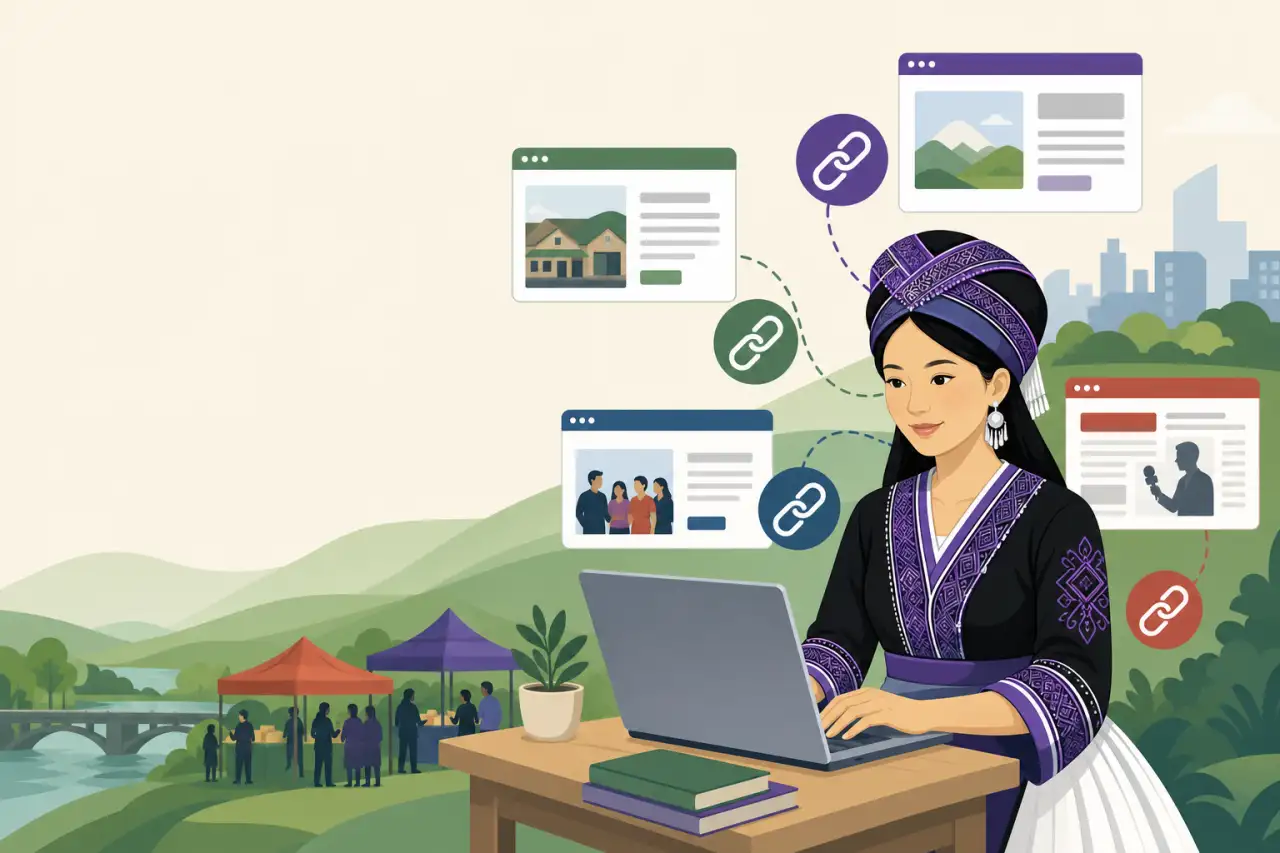
Search engines don't just read your website to decide how trustworthy it is, they look at what other websites say about you. Every link pointing to your site from somewhere else acts like a small vote of confidence: another site is telling Google, Bing, and increasingly the AI tools people now ask instead of searching, that your business is real, relevant, and worth sending someone to.
That's why two businesses can have nailed the website basics behind search ranking, same clean copy, same photos, same page speed, and still rank very differently. The one with a handful of relevant, real links from other trusted sites usually wins, because it has outside evidence backing up what its own homepage claims. A backlink is proof, not just a promise.
This matters even more now that people are asking AI assistants questions like "is there a good Hmong-owned caterer near me" instead of typing a search query. Those tools lean on the same signal: what other credible sources online say about a business, not just what the business says about itself. A link from your city's chamber of commerce or a well-known community organization is doing double duty, helping your search ranking and helping an AI tool trust you enough to recommend you by name.
Not All Backlinks Are Worth the Same: What Actually Helps
It's tempting to treat backlinks like a numbers game, get as many as possible, as fast as possible. Don't. A single link from a site real people in your area actually visit, like your local Hmong New Year festival committee's website or your city's small-business association, is worth far more than fifty links from directories nobody has ever heard of.
The test worth applying to any potential backlink is simple: if someone actually clicked this link, would they land somewhere relevant and be glad they did? A link to your catering business from a wedding venue's "preferred vendors" page passes that test easily. A link buried in a random "top 500 business directories" list that has no real visitors and no real editorial standard doesn't.
You'll also hear the terms "follow" and "nofollow," a technical tag that tells search engines whether to pass credit through the link. It's worth knowing the term exists, but don't let it steer your decisions early on. A nofollow link from a site real customers actually browse, like a well-trafficked community blog or a local news site, still sends you real people and still builds real trust. For a small business just getting started, real relevance and real traffic matter more than winning a technical argument about link tags, the same unglamorous instinct behind plenty of the SEO moves most businesses skip.
Start With the Businesses You Already Work With
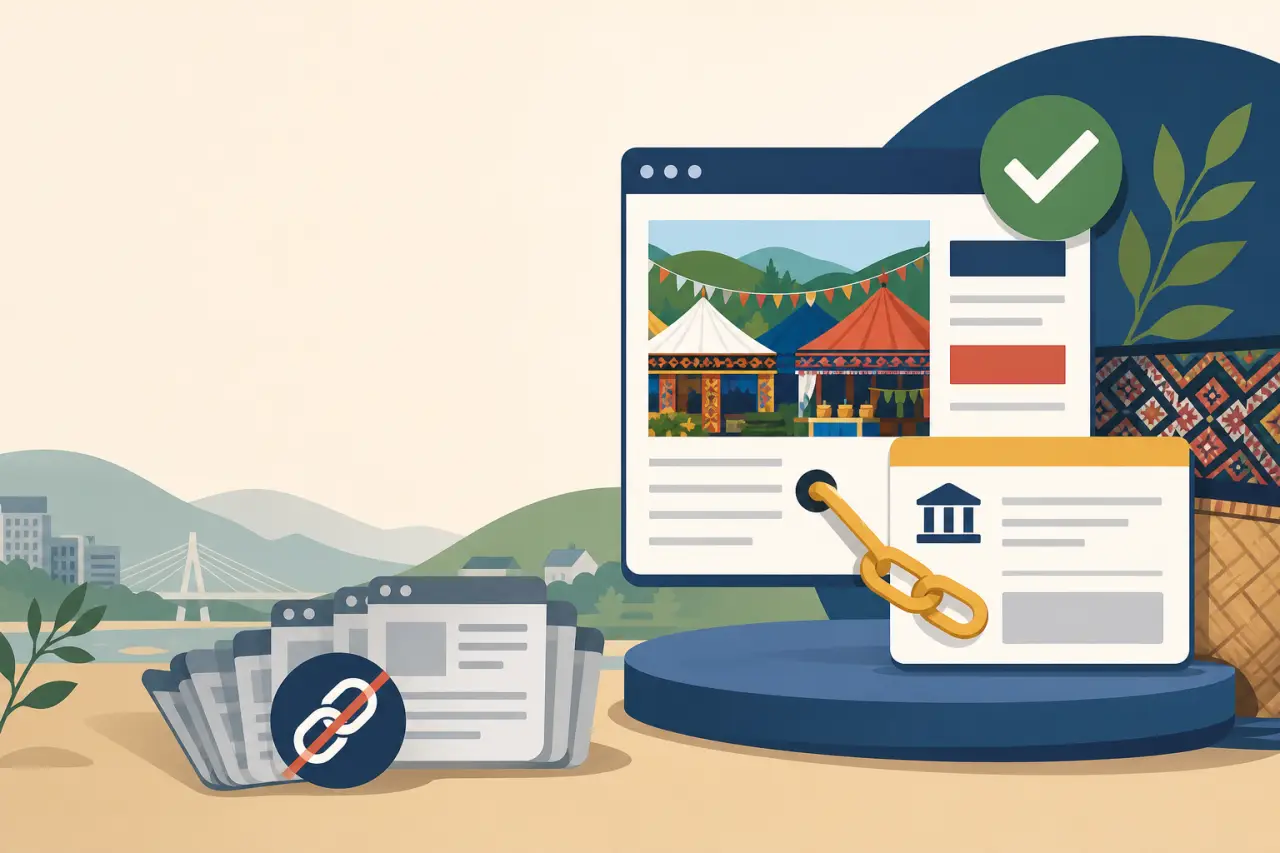
The fastest backlinks to get are usually the ones you haven't asked for yet, from people who already know your work. If you're a caterer, your food and produce suppliers likely have a website with a "clients we serve" or "partners" section, ask to be added, and offer to do the same for them. If you're a wedding photographer or florist, the venues and planners you work events with regularly almost always have a vendor list, and getting on it is usually one email away.
This works across almost every kind of business.
- A contractor can ask the material suppliers and subcontractors they use regularly.
- An insurance agent can ask the mortgage brokers and real estate agents they trade referrals with.
- A salon can ask the product brand or distributor it carries for inclusion on a "find a stylist near you" page, which many brands maintain specifically to drive customers to the businesses that sell their products.
The ask itself doesn't need to be complicated: a short, direct message explaining that you work together regularly and would appreciate being listed, with an offer to link back if it makes sense. Because these are real, existing relationships, the response rate is usually far better than any cold outreach you'll do elsewhere.
Hmong Community Organizations and Cultural Events Are an Underused Backlink Source
This is the source most small businesses overlook entirely, and it's often the easiest one available. Hmong American associations, clan councils, mutual aid organizations, cultural centers, and the committees that run Hmong New Year celebrations in cities like St. Paul, Fresno, Sacramento, Merced, and Wausau all tend to maintain websites with a "supporters," "sponsors," or "community partners" page. If you've ever donated, volunteered, or set up a booth at one of these events, you likely already qualify, you just haven't asked to be added.
The same goes for temples, churches, and school PTAs that run fundraisers or community events. These organizations want to show off their supporters, and a link back to your website costs them nothing while making their own sponsor page look stronger. If you haven't given yet, consider it: a modest donation to a cultural event or scholarship fund often comes with a website mention as a standard part of the sponsorship, and it's worth asking directly whether a link is included, since some organizations default to listing just a name and logo image with no actual link.
These links carry extra weight beyond search rankings too. They come from sources your actual customers recognize and trust, which means the referral traffic itself tends to be higher quality than almost anywhere else on this list.
Local Press and Bloggers Want a Real Story, Not a Press Release
Local news outlets, community radio, ethnic-community newspapers, and local bloggers are almost always short on stories and looking for real ones. A generic press release about your business existing won't get picked up. A specific, timely angle will:
- A new location opening
- A product or menu item tied to a cultural event
- A milestone anniversary
- Your business's role in a community fundraiser
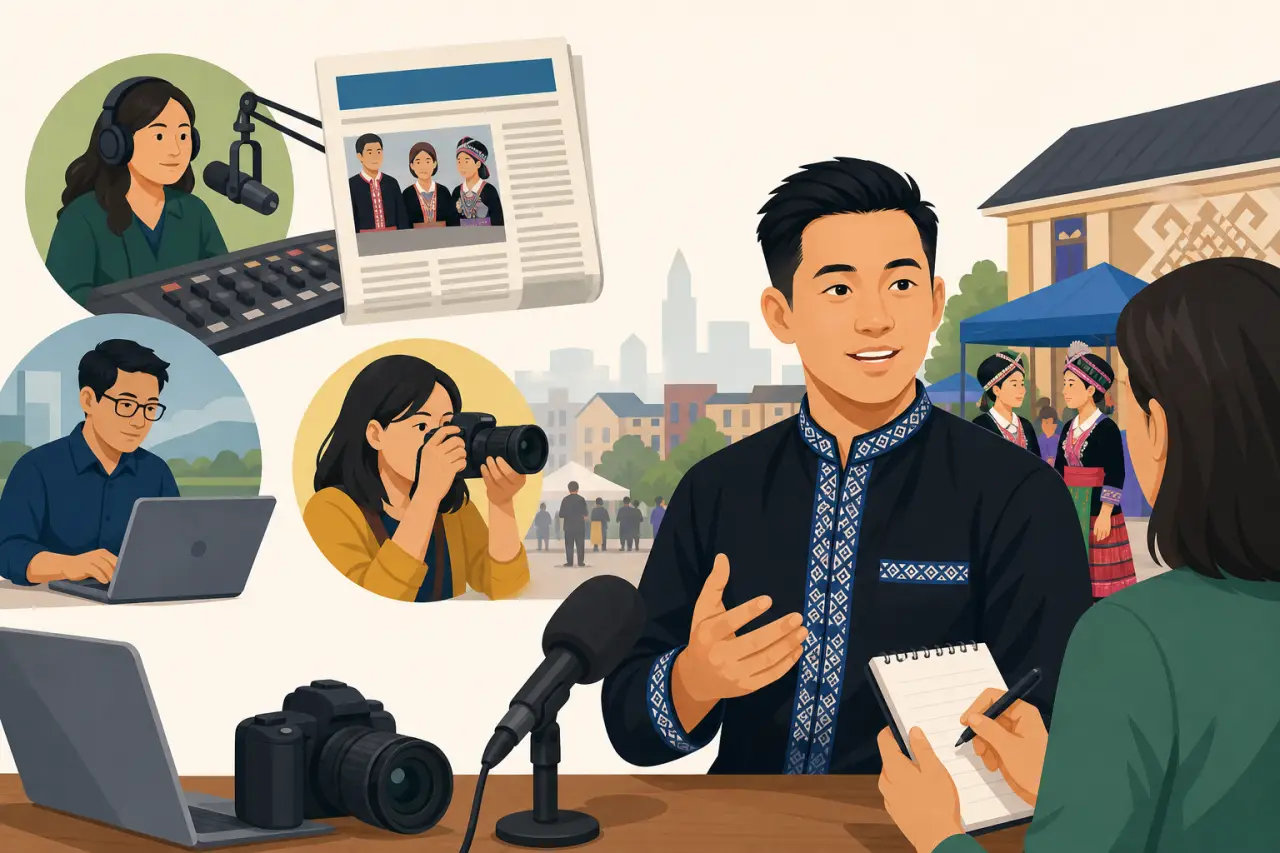
Reach out directly rather than through a generic contact form when you can find a real name, a reporter who covers small business or community news, a blogger who's written about other local businesses before, or a community radio host. Keep the pitch short: two or three sentences on what's happening, why it's timely, and a good photo attached or offered. Reporters are busy, and a pitch that reads easily gets opened; one that reads like a corporate announcement usually doesn't.
If you don't hear back, one polite follow-up a week or two later is reasonable, after that, move on rather than repeatedly pushing the same story. And when a piece does run, always check whether it links to your website by name, not just mentions your business, if it doesn't, it's fair to ask politely for the link to be added.
Sponsorships: The Backlink You May Already Be Paying For
If you sponsor a youth sports team, a school fun run, a cultural festival booth, or a scholarship fund, you're already spending money that could be earning you a backlink, but only if you ask for it specifically. A logo on a printed banner or a jersey does nothing for your website's search visibility. A link on the organization's website does.
When you agree to sponsor something, treat the website link as part of the deal, not an afterthought. Ask directly: will our business be listed with a link on your website's sponsors page? Many organizations will do this automatically once asked, since it costs them nothing and it's an easy way to show sponsors they're getting something in return. If the organization doesn't have a sponsors page at all, it's worth suggesting they add one, smaller nonprofits and community groups are often glad for the idea.
Put it in writing where you can, even if it's just a confirming email after a phone conversation. That way, if the link doesn't show up after the event, you have something concrete to follow up on rather than relying on someone's memory of a verbal agreement.
Directories and Citations: The Easiest Win, Done Right
Directory listings are the most accessible backlink source, and also the easiest to waste time on. Start with the ones that actually carry weight:
- Your Hmong Network listing, worth getting the most from your directory listing beyond just the backlink it provides
- Your local chamber of commerce's member directory
- Your Google Business Profile
- Any industry-specific directory that real customers actually use to find businesses like yours, Yelp for restaurants and services, Angi or Houzz for contractors, The Knot or WeddingWire for wedding vendors
The detail that matters most across all of these is consistency: your business name, address, and phone number should match exactly, word for word, across every listing. A business listed as "123 Main St" in one place and "123 Main Street, Suite A" in another sends a small trust signal in the wrong direction, because it looks like two different records for two different businesses rather than one consistent one.
Skip the mass "submit your business to 500 directories" services. Most of those directories have no real visitors, no editorial oversight, and no relevance to your actual customers, they exist purely to sell submission packages, and search engines have gotten good at recognizing that pattern and simply not counting them for much. Time spent getting listed properly on ten directories real customers use beats getting listed on two hundred that nobody visits.
Two Shortcuts to Avoid, and How to Keep Track of What's Working
Shortcuts to avoid
Buying links and joining "link exchange" groups where a set of unrelated businesses all agree to link to each other are both worth avoiding. Search engines are specifically built to detect these patterns, a sudden cluster of links from unrelated businesses in unrelated industries, or payment-based link placements, looks nothing like the organic, relevant links this article has walked through. At best, purchased or exchanged links do nothing. At worst, they can flag your site for review and hurt the trust you've built through everything else you're doing right.
Tracking what's working
The good news is that tracking your real progress doesn't require any paid tool. Google Search Console, which is free, has a Links report that shows you exactly which websites are already linking to yours, check it every few months to see what's working and to catch mentions you didn't know you had. And build a small habit: whenever you notice your business mentioned online without a link, in a comment, an article, a community post, it's worth a polite reply or email asking if a link could be added. Most of the time, the person just didn't think to include one, and asking costs you nothing but a few minutes. Keep at it, and backlinks become one more real lever in outranking bigger competitors on Google, not just a box to check once and forget.
Questions people ask
What kind of backlinks actually help my business rank better?
Links from sites real people actually visit matter most, like your local chamber of commerce, a wedding venue's vendor page, or a community organization's website. A single link from a trusted local source is worth far more than dozens from random, low-traffic directories nobody has ever heard of. The key test: would someone clicking that link be glad they landed on your site?
Where can I get backlinks without asking for them?
Start with businesses you already work with. Your suppliers, the venues you partner with for events, the product brands you carry, the real estate agents you trade referrals with—these are all people who know your work and often have websites listing their partners or vendors. A short, direct email asking to be added usually gets a yes.
Should I sponsor things to get backlinks?
If you're sponsoring a team, event, or fundraiser anyway, make the website link part of the deal, not an afterthought. Ask directly: will we be listed with a link on your sponsors page? Many organizations will add one automatically once asked, since it costs them nothing and shows sponsors they're getting real value back.
Is it worth buying backlinks or trading links with other businesses?
No. Search engines are built to catch these patterns. Bought links or exchanges between unrelated businesses look nothing like real, organic links and can damage your site's trust instead of helping it. Stick with the legitimate sources—it takes longer, but it actually works.
Written by
Hmong Network Team
Directory & Digital Services
We run the Hmong Network directory and do the web design and SEO/AEO work behind the results in our case studies. These guides come out of that same hands-on work with Hmong-owned businesses — not secondhand research.
