
Spotting Real Business Opportunities in a Growing Market Like Tulsa
TL;DR
In a growing metro like Tulsa, the best business opportunities aren't the ones everyone already knows about — they're the everyday needs almost nobody is filling yet. Here's how to spot that gap, test it cheaply, and build for the Tulsa that's actually arriving.
Growing Cities Reward Gap-Finders, Not Copycats
When a metro area is adding population and new neighborhoods faster than its services can keep up, the temptation is to open whatever business you've seen succeed somewhere else. A second version of a shop that already has three competitors within a mile feels safe because it's proven, but proven somewhere else isn't the same as needed here. The businesses that actually do well in a growing market are the ones solving a need that's obviously there but nobody local is filling, not another entry in a category the city already has plenty of. If you're still narrowing down what to build, picking a business idea with a real shot is worth doing before you commit to one concept.
Finding that gap takes legwork, not guesswork.
- Drive the neighborhoods that are actually filling up with new construction, not just the ones that already have an established business district.
- Talk to people who moved to the Tulsa area in the last year or two about what they still drive twenty minutes across town for.
- Watch what comes up over and over in local Facebook groups as does anyone know a good, that repeated question is a business opportunity someone is asking you to open, whether they realize it or not.
A gap doesn't always mean nothing exists yet. Sometimes it means something exists but does the job badly:
- a shop with a two-hour wait every weekend
- a service with hours nobody can actually use
- a business that stopped answering the phone months ago and never fixed it
Those near-misses are easier to spot than an empty category, and they come with proof the demand is real, since customers are already showing up for a worse version of what you're about to offer. That demand doesn't only show up in everyday categories, either — a Tulsa arcade's growth story is proof that a specific, unconventional idea can find real traction once it's clearly filling a gap nobody else is.
Follow the Rooftops, Not Just the Skyline
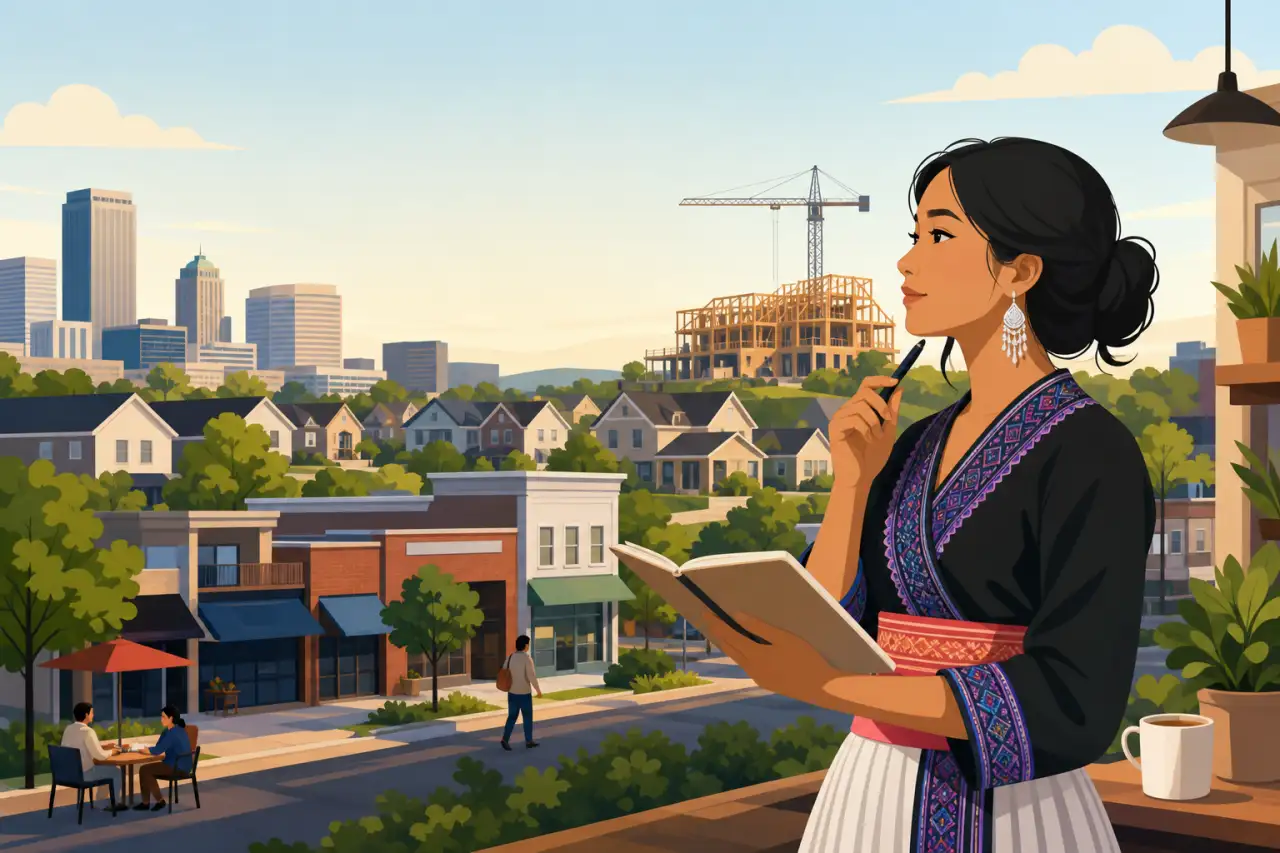
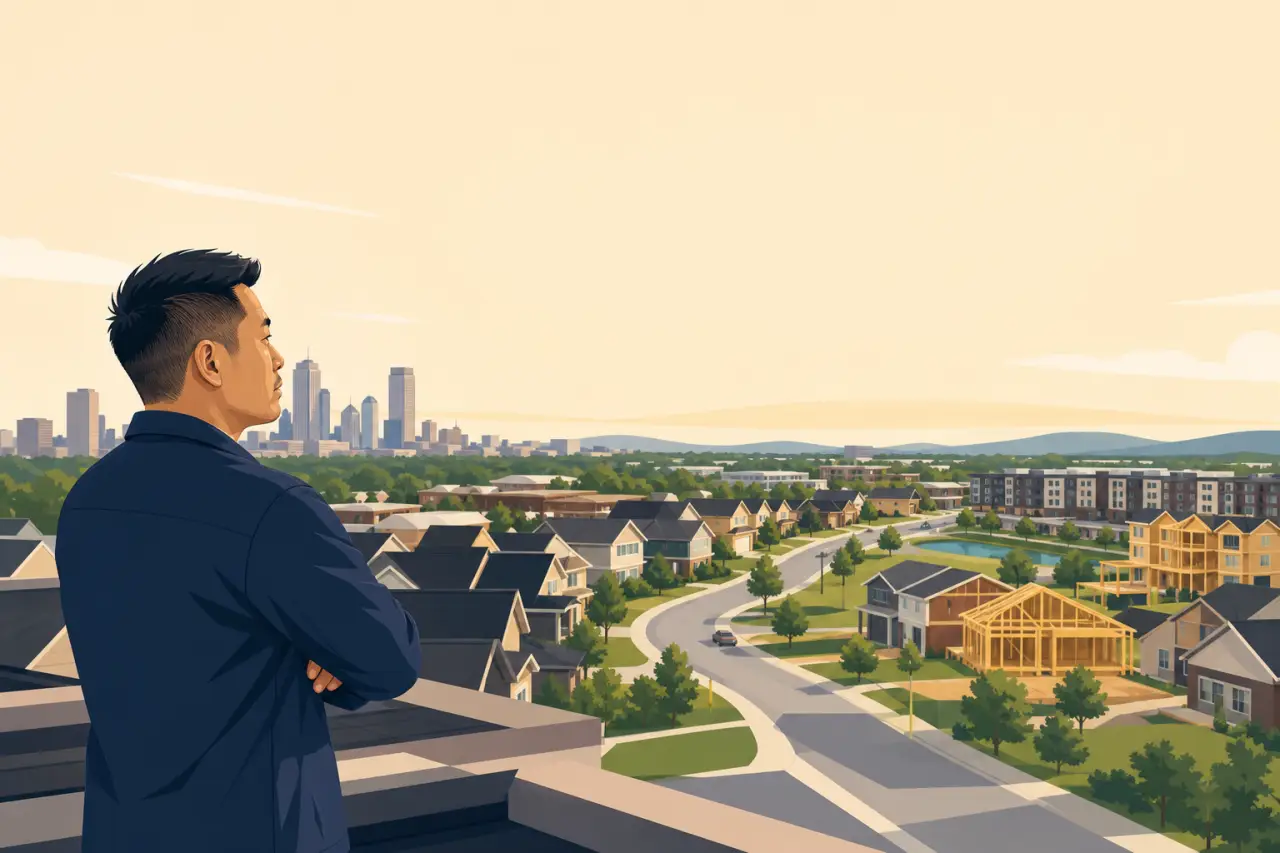
It's easy to assume Tulsa's growth means downtown, Brookside, or Cherry Street, since those are the corridors that show up in every conversation about what's new in the city. But a lot of the real population growth is happening quieter and farther out, in the subdivisions filling in around Broken Arrow, Bixby, Owasso, and Jenks, and in the apartment complexes going up on the edges of south Tulsa. Those are rooftops with people in them before those people have anywhere close by to get a haircut, a car fixed, or a decent plate of food without driving back toward the center of the city.
A new subdivision doesn't come with businesses built in. It takes time for retail and services to catch up to a neighborhood that's already full of families, and that lag is exactly where an opportunity sits open. If you're trying to decide where to locate or which part of the metro to focus on first, drive the areas with construction cranes and For Sale signs on empty lots, not just the areas that already look finished. The finished areas already have their gaps filled.
What a New Household Needs Before Anything Fancy
When a family moves into a new part of the metro, the first businesses they go looking for aren't the trendy ones, they're the boring, weekly ones:
- somewhere to get groceries that actually carries what they cook with
- a barber or salon they can get into without a two-week wait
- a mechanic they can trust with a car that has to run every day
- someone reliable for lawn care or basic home repairs — a Tulsa lawn care success story shows how much room still exists in that one category alone
- help figuring out insurance or taxes from someone who explains it in plain language instead of jargon
None of that is exciting to build, which is exactly why it gets overlooked by people chasing a more glamorous idea.
Those unglamorous services are also the ones with the least competition in a fast-growing area, because they don't attract outside investors or franchise interest the way a coffee shop or a boutique does. A dependable, honest version of one of these everyday businesses, placed where new households actually live, earns loyal repeat customers faster than almost anything else, because you're solving a problem people run into every single week, not once a year.
Some of these needs also come in predictable seasonal waves worth planning around:
- back-to-school shopping and paperwork
- tax season
- the run-up to Hmong New Year
- the start of summer when lawn care and home projects pick up
A business that's ready and visible right before one of those windows hits captures customers a slower competitor misses entirely, even in a category that isn't seasonal the rest of the year.
Use What's Already Local to You
You don't need a market research firm to validate an idea in a market like Tulsa, you need to talk to the people already doing business there. The Tulsa Regional Chamber, local small business development centers, and community organizations usually know exactly which sectors are underserved because they hear the same complaints repeatedly from residents and other business owners trying to find vendors or services themselves.
Your own network is an underused resource too. If you're plugged into the Hmong community in Tulsa, you already have insight into what that community needs but currently drives across town, or out of the city entirely, to get. That's not a coincidence you should ignore, it's often the clearest signal available for what to build next, and it comes with a built-in first customer base that a stranger opening the same business wouldn't have. Ask directly: what do you wish existed nearby that doesn't? People will tell you, in detail, if you ask.
Read the City's Own Paperwork Before You Guess
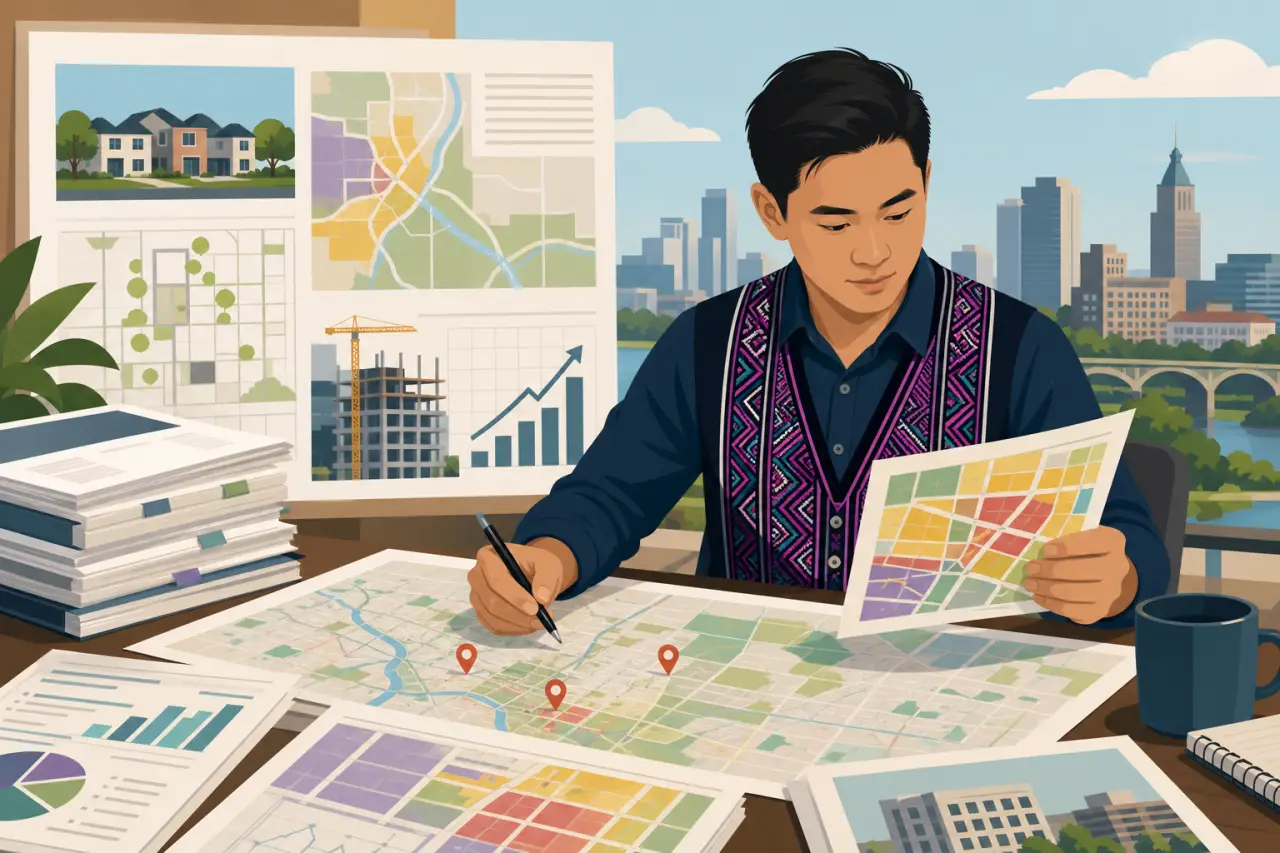
A lot of the information about where Tulsa is actually growing is public and free, it just isn't packaged for a new business owner to find easily. City and county planning commission agendas list new rezoning requests and development proposals months before construction starts, which tells you exactly which corridors are about to fill in with new housing or retail. Building permit records show which parts of the metro are pulling the most residential and commercial permits right now, not just where growth was five years ago.
The Tulsa Regional Chamber and the Indian Nations Council of Governments both publish regional planning and growth information aimed at businesses and developers, and it's worth an afternoon to read through what's available rather than relying on impressions from driving around. None of this requires a paid subscription or a consultant, it requires knowing these documents exist and being willing to read a zoning agenda the way you'd read a menu, looking for the one thing that tells you where to go next.
A local Small Business Development Center can also walk through this kind of research with you for free, and they see far more failed and successful openings than any one person does on their own. Bring them a specific idea and a specific area you're considering rather than a general question, you'll get a much more useful answer, and it's worth asking directly whether they've seen other people try the same idea nearby and what happened to it.
The Advantage a Tight-Knit Community Gives You That a Franchise Doesn't Have
A national chain moving into Tulsa has capital and brand recognition, but it doesn't have what a Hmong-owned business already starts with: trust that's been built over years through family, church, community events, and word of mouth that travels faster and means more than any advertisement. If you're bilingual and bicultural, you can serve customers a competitor genuinely cannot, whether that's explaining an insurance policy in Hmong to an elder who'd rather not navigate it in English, or simply being the business someone already knows to call because they know your family.
Community events are also a demand signal most outside businesses never see. Hmong New Year, weddings, funerals, and other gatherings create real, recurring need for:
- catering
- sound and event equipment
- traditional clothing
- photography
- printing
all concentrated into predictable windows every year. A business built to serve those moments well doesn't have to compete for attention the rest of the year the same way a general retail shop does, because the community already knows who to call when the need comes around again.
This works both ways, though. That same trust is easy to lose if it's mishandled, since word travels through the same channels that built your reputation in the first place. Treat every job, even a small one for someone you already know, like it's the one people will be asked about next.
Test the Idea Before You Sign a Lease
You don't need a storefront to find out whether an idea works. Set up a table at a Hmong New Year celebration, a community festival, or a weekend market and sell the actual product or offer the actual service you're considering, then pay attention to what people ask for that you didn't bring, that's often more useful than what sold well. Post in a local Facebook group offering preorders or a limited run and see whether real people commit real money, not just likes and comments.
Running a smaller, informal version out of your home kitchen, garage, or a borrowed space for a few months costs you almost nothing compared to signing a commercial lease, and it tells you the truth a business plan on paper can't: whether people will actually show up and pay, more than once. If the informal version struggles to find customers, a bigger space and a bank loan won't fix that, they'll just make the mistake more expensive. If it takes off faster than you can keep up with by hand, that's your answer to move toward something more permanent.
The Two Mistakes That Sink New Businesses in a Growing Market
Building ahead of demand
The first mistake is building for the growth you expect instead of the demand you have right now, a bigger space, more inventory, and more debt than the customers currently walking in can support, on the bet that the neighborhood will catch up. Sometimes it does. Often it takes years longer than planned, and the loan payments don't wait for the subdivision down the street to finish filling in. Size your first version to match today's actual traffic, and grow the space and the overhead as the customers show up to justify it, not ahead of them.
Waiting too long to start
The second mistake is the opposite: seeing the gap clearly and sitting on it too long, waiting for a perfect plan, more savings, or more certainty before starting. A growing market doesn't stay open forever. Someone else, often someone with less local knowledge and a worse version of the idea, will fill an obvious gap if it sits open long enough, and once a need has any business serving it, even a mediocre one, it's harder to convince customers to switch than it would have been to earn them first. The businesses that win in a growing city usually aren't the most polished ones, they're the ones that actually opened while the gap was still open. Getting that timing right is only half the job, though — the other half is launching a business that lasts once the doors are actually open.
Questions people ask
What should I look for instead of just copying businesses that work somewhere else?
Look for needs that are obviously there but nobody local is filling yet. In a growing market, the businesses that succeed solve a problem specific to that area, not just repeat what's proven elsewhere. Watch for repeated questions in local Facebook groups, talk to newcomers about what they drive across town for, and pay attention to existing businesses that do the job badly — those are opportunities waiting to be done better.
Where is the real growth happening in Tulsa that I'm probably missing?
Most people focus on downtown, Brookside, or Cherry Street, but real population growth is happening in subdivisions around Broken Arrow, Bixby, Owasso, Jenks, and on the edges of south Tulsa. Those new neighborhoods don't have barbers, mechanics, or grocery stores built in yet. The lag between when families move in and when businesses catch up is exactly where your opportunity sits open.
What kind of business should I start if I want customers right away?
Start with the unglamorous, weekly needs: groceries that carry what people cook with, barbers or salons, trusted mechanics, lawn care, and reliable help with insurance or taxes explained in plain language. These boring services have the least competition in fast-growing areas because they don't attract franchises or outside investors, and they build loyal repeat customers faster than anything else.
How do I know if my business idea will actually work before I sign a lease?
Test it without a storefront first. Sell at a Hmong New Year celebration, community festival, or weekend market. Post preorders in a local Facebook group. Run it from your home kitchen or garage for a few months. If it struggles to find customers at that scale, a bigger space won't fix it. If it takes off faster than you can handle, you have your answer to go permanent.
Written by
Hmong Network Team
Directory & Digital Services
We run the Hmong Network directory and do the web design and SEO/AEO work behind the results in our case studies. These guides come out of that same hands-on work with Hmong-owned businesses — not secondhand research.
