

Keep the Customers You Already Have
TL;DR
Getting a new customer costs far more than keeping one you already have, and most of the habits that turn a first-time buyer into a regular cost nothing but attention and a little consistency.
Make the Second Visit Easier Than the First
A first-time customer had to find you, decide to trust you, and actually show up. That's a lot of work on their end. A returning customer only needs a reason, and that reason can be small:
- Remembering their name or their usual order
- A text when a dish or product they liked is back in stock
- A five-second "good to see you again" that costs you nothing but tells them they weren't just a transaction on a busy day
Getting someone in the door once is only half the job; turning visitors into repeat customers is what actually grows a business.
This is where a small, family-run business has a real edge over anyone bigger. A chain restaurant isn't going to remember that the woman in booth four always asks for extra chili paste on the side. You can. That kind of recognition isn't a nice-to-have layered on top of the product; for a lot of customers it is part of the product, especially the ones who could just as easily order from an app instead of walking in the door.
A basic punch card or a "buy nine, get the tenth free" deal still works for the same reason. The reward itself is rarely the point, since it usually adds up to a small discount. What matters is that the card sits in someone's wallet as a physical reminder that they have a reason to come back to you specifically instead of trying somewhere new the next time they're deciding where to go.
Ask for the Review While the Moment Is Good
The best time to ask for a review or a referral is right when someone is happy:
- Right after the compliment
- Right as they're paying
- Right as they're walking out the door with a bag in hand
Waiting until later means you're competing with the rest of their day, their commute, their kids, their phone, and you will almost always lose that competition to whatever comes next.
A simple script beats an elaborate one. Something like "If you have thirty seconds, a Google review would really help other families find us" said in person, in the moment, gets more results than a follow-up text sent the next day, after the good feeling has already faded into whatever else is going on in their week.
Every review and every referral is proof for the next stranger deciding whether to trust you, which makes your existing happy customers your most effective, and completely free, marketing channel. Earning trust through reviews works because it's proof written by someone with nothing to gain, not because it's clever marketing. Treat keeping them happy as a marketing task in its own right, not just good service that quietly happens on the side while the "real" marketing happens somewhere else.
Remember People Without Needing a Fancy System
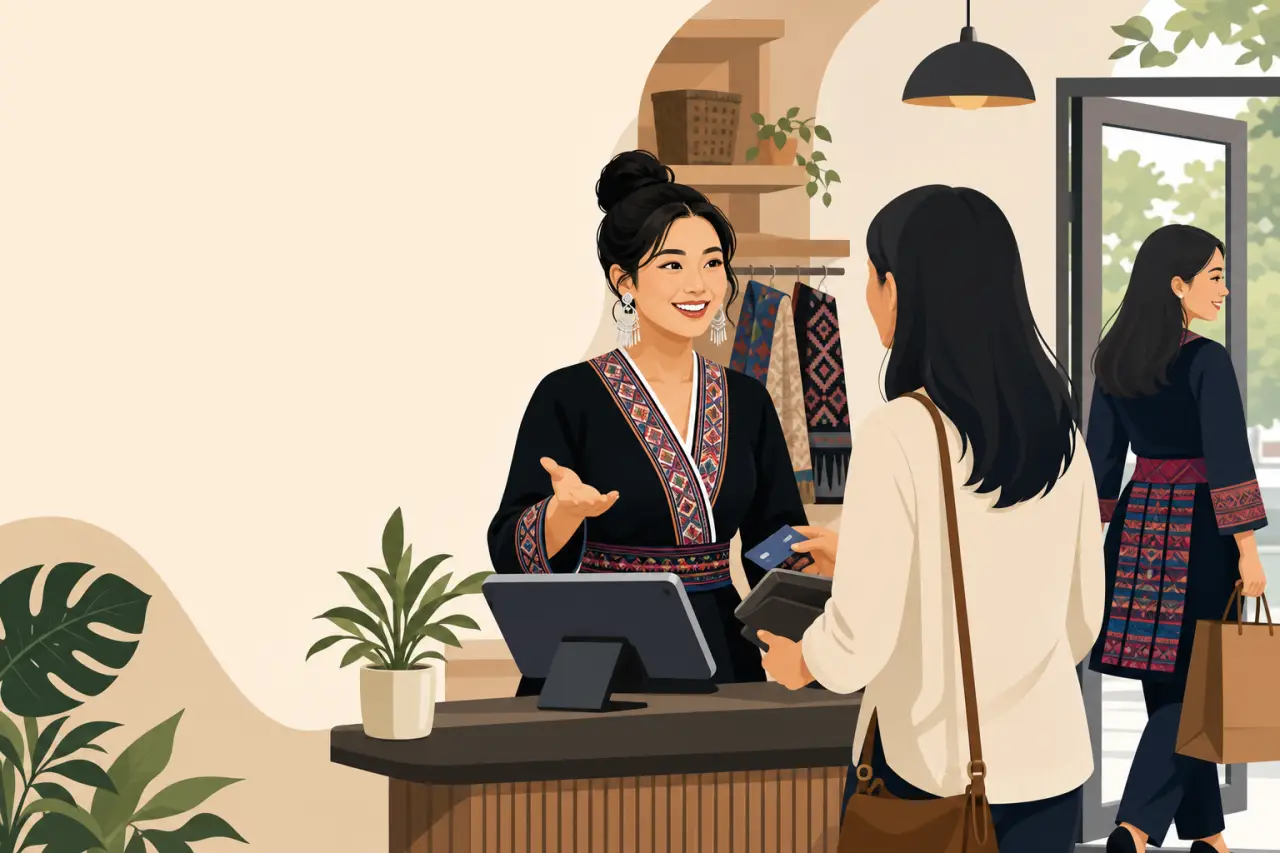
You don't need customer relationship software to remember your regulars. Plenty of small business owners already do this instinctively, but it breaks down the moment a second family member starts helping at the counter, or a new employee is hired who doesn't have years of history sitting in their head.
Write it down somewhere simple:
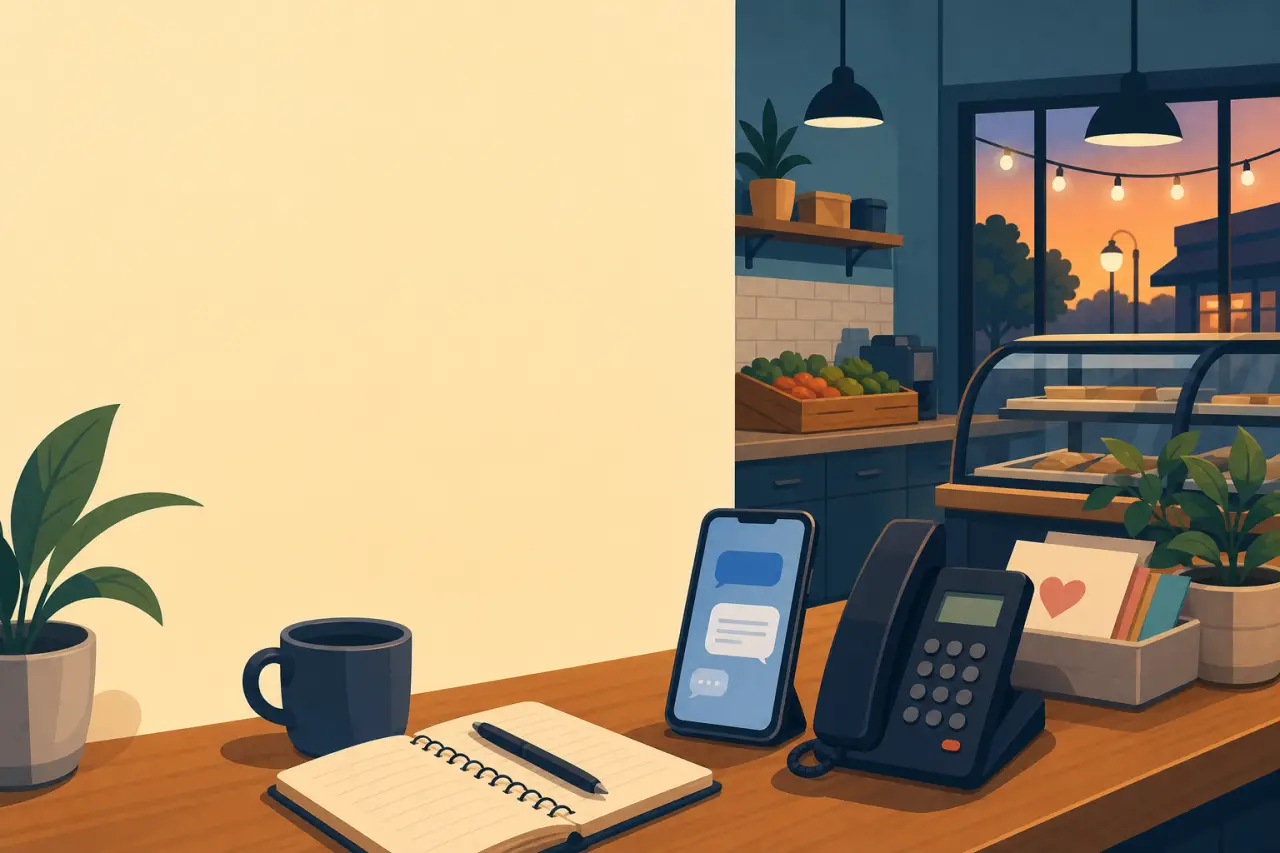
- A notebook by the register
- A notes app on your phone
- A basic spreadsheet with a name, what they usually order, and one personal detail (their kid's name, that they're allergic to peanuts, that they always come in on Saturday mornings after church)
Any of these is enough to make a returning customer feel remembered by whoever happens to be working that day, not just by you.
This matters more in businesses where family members rotate shifts, which describes a lot of Hmong-owned restaurants, salons, and shops. A customer who gets recognized by your daughter on a Tuesday and by your cousin on a Thursday builds a much stronger sense that this is "their" place than one who only ever gets recognized when you personally happen to be behind the counter.
Design a Reward People Will Actually Use
A loyalty reward only works if it's simple enough that a busy person understands it in five seconds and remembers to bring it up. A few reward types that work well:
- Ten-visit punch cards
- A flat discount after a set spend
- A free item after a certain number of orders
All of these beat anything with tiers, expiration windows, or fine print. The moment a customer has to stop and think about whether a reward still applies, most of them will just skip asking rather than risk the awkwardness of being told no.
Digital tracking, where a phone number typed in at checkout is remembered by a system, removes the "I forgot my card at home" problem, but it only helps if you actually have that system in place and it doesn't slow the line down during a rush. If you're running this by hand, a physical card is usually more reliable for a small operation than half-tracking loyalty digitally without the right tools behind it. For an online storefront specifically, using coupons to reward loyal customers is the closest digital equivalent — a code that's simple enough to remember beats a complicated points system every time.
Whatever you choose, round numbers beat awkward ones. "Every tenth item free" is easy to remember. "Fifteen percent off after your seventh purchase over twenty dollars" is not, and a reward nobody can remember the rules for might as well not exist at all.
Turn Your Slow Hours Into Relationship-Building Time
Every small business has dead time:
- The hour before the dinner rush
- A quiet Tuesday afternoon
- The last thirty minutes before closing
That time usually goes to prep work or just waiting around, which is fine, but it's also a real opportunity that gets wasted more often than not.
Use some of it to reach out to people who've already bought from you. A short text to a customer who ordered a large catering tray last month, asking if they need anything for an upcoming event. A quick call to someone who mentioned they were looking for an item you just got back in stock. None of this needs a script or a sales pitch; it just needs to happen, and it works precisely because almost no one else is doing it. Most businesses only talk to a past customer when that customer reaches out first.
This is also a good use of slow time for the review ask from earlier in this list. If someone left happy last week but you didn't catch them at the door, a short, personal follow-up message sent during a quiet moment still lands better than a generic automated request that shows up days later with no context behind it.
Meet Customers Where They Already Talk to Each Other
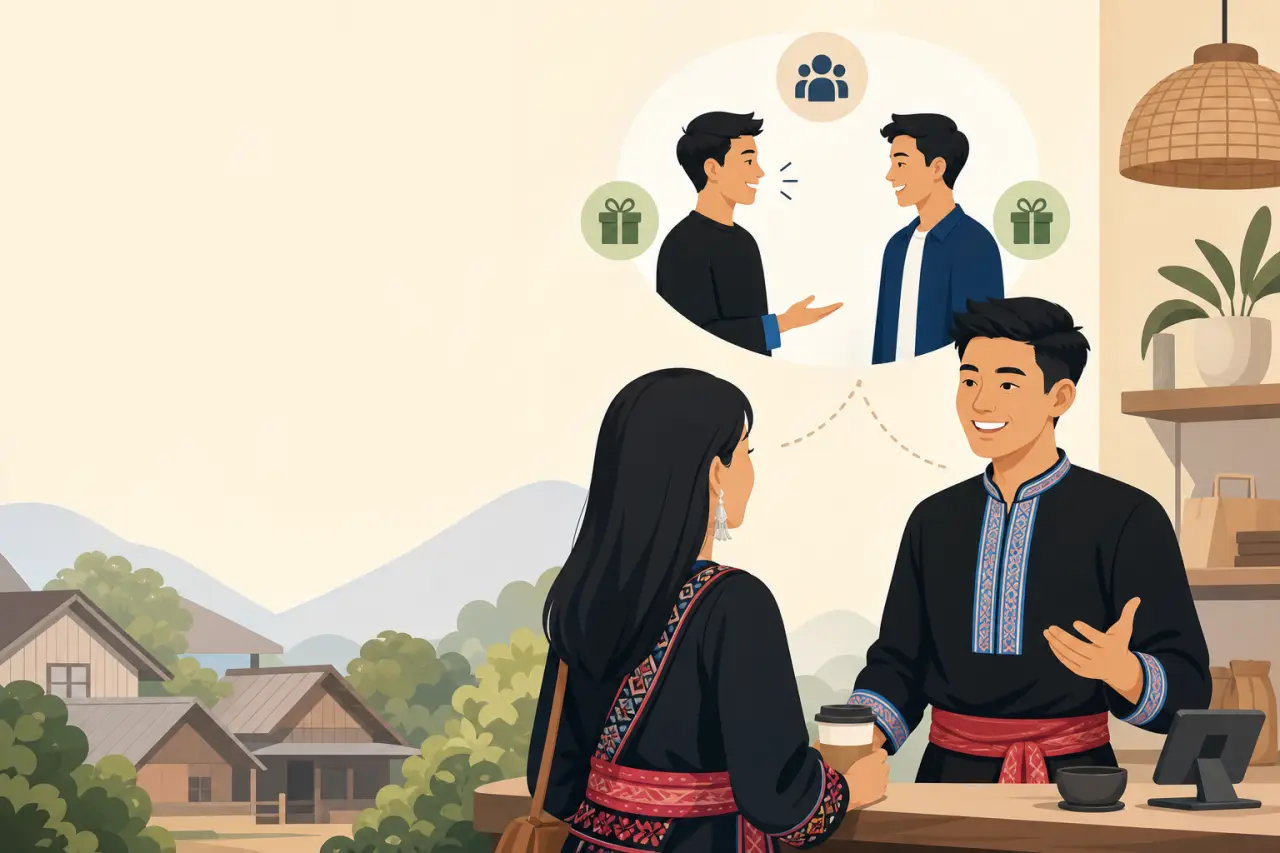
A lot of word of mouth for Hmong-owned businesses doesn't happen on Yelp, it happens in group chats, in Facebook groups organized around clan, church, or neighborhood, and in conversations at weddings and funerals where people are already talking about who to hire for the next event. If your only presence is a storefront and a website, you're missing a huge share of where the actual decision-making happens.
This doesn't mean you need to be everywhere. Pick the one or two group chats or community Facebook groups your actual customers are already in, and show up there as a real person, not just a business account posting promotions. Answer a question when someone asks for a recommendation. Share a genuine update, not only a sale. People trust a recommendation from inside their own network far more than an ad, and staying visible in that network, even quietly, means you're the name that comes up when someone asks. That's a different job than keeping followers actually engaged on your own business page, where growing a number matters less than showing up as a real presence in the conversations your customers are already having.
The goal isn't more posting, it's being findable in the places where trust is already being built between people who know each other, which is a very different job than running ads to strangers who don't yet have a reason to believe you.
Notice When a Regular Goes Quiet
Every business loses customers who used to show up every week and then just stop, usually without a word of complaint. Most owners don't notice until months later, if they notice at all, because there's no inbox filling up with unsubscribes, just an empty seat or a name that quietly stops appearing on the schedule.
You don't need software to catch this, just a habit. If you already keep notes on your regulars, glance back through them occasionally and ask yourself who you haven't seen lately. If a customer used to order every other week and it's been two months, that's worth a short, low-pressure message: "Hey, haven't seen you in a while, hope everything's good with you and the family." No sales pitch attached. Most of the time, people who've drifted away didn't leave because they were unhappy:
- They got busy
- Tried somewhere new out of curiosity
- Simply forgot you were an option
A friendly nudge is often all it takes to remind them.
If you do want to offer something, keep it small and attach it to the message itself rather than making them ask for it: "come back this month and the first one's on us." A specific, time-limited reason to return works better than a vague, open-ended invitation that's easy to keep putting off.
Let Your Best Customers Sell for You
A referral doesn't need a formal program with printed rules and a sign-up sheet. Most of the time it just needs you to actually ask. After a customer compliments you, or after they've come back for the third or fourth time, a simple "if you know anyone else who'd like this, I'd really appreciate you sending them our way" plants the idea without any pressure attached to it.
If you want to add an incentive, keep it symmetrical and simple: something small for the person who refers, and something small for the friend who shows up because of them, so neither person feels like they're being used to generate business for free. A discount on their next order for both sides works fine. This matters even more in a tight-knit community, where a referral often carries more weight than an online review, because it's coming from someone the new customer already trusts with their own reputation, not a stranger on the internet.
With permission, put those good words to work outside the conversation they happened in, too. A short quote from a happy customer on your website, your storefront, or your social media does real work for the next person who's on the fence. None of this replaces the other habits here, it builds on them. A customer who feels remembered, gets asked for feedback at the right moment, and has an easy way back in when they drift is already primed to become the kind of customer who brings someone else with them next time. Keeping the customers you already have isn't a side project next to growing your business; for most small businesses, it is the growth strategy that actually works.
Questions people ask
When's the best time to ask a customer for a review?
Right when they're happy — immediately after they compliment you, as they're paying, or as they walk out the door with their order. Asking in person in that moment gets better results than a follow-up text the next day, because the good feeling fades quickly and gets buried under everything else happening in their week.
Do I need fancy software to remember my regular customers?
No. A notebook by the register, a notes app on your phone, or a simple spreadsheet with their name, usual order, and one personal detail works fine. This matters especially when family members or employees rotate shifts — a customer recognized by anyone at the counter feels like they belong there, not just when the owner is working.
What loyalty reward works best for a small business?
Keep it simple. A ten-visit punch card, a flat discount after a set spend, or a free item after a certain number of orders all work well. Avoid anything with tiers, expiration dates, or complicated rules — if a customer has to think about whether they qualify, most will skip asking and move on.
How should I reach out to customers I haven't seen in a while?
Send a short, friendly message with no sales pitch: 'Haven't seen you in a while, hope everything's good.' Most drifting customers didn't leave unhappy — they got busy or forgot you existed. If you offer something, make it specific and time-limited: 'Come back this month and the first one's on us.'
Written by
Hmong Network Team
Directory & Digital Services
We run the Hmong Network directory and do the web design and SEO/AEO work behind the results in our case studies. These guides come out of that same hands-on work with Hmong-owned businesses — not secondhand research.
