
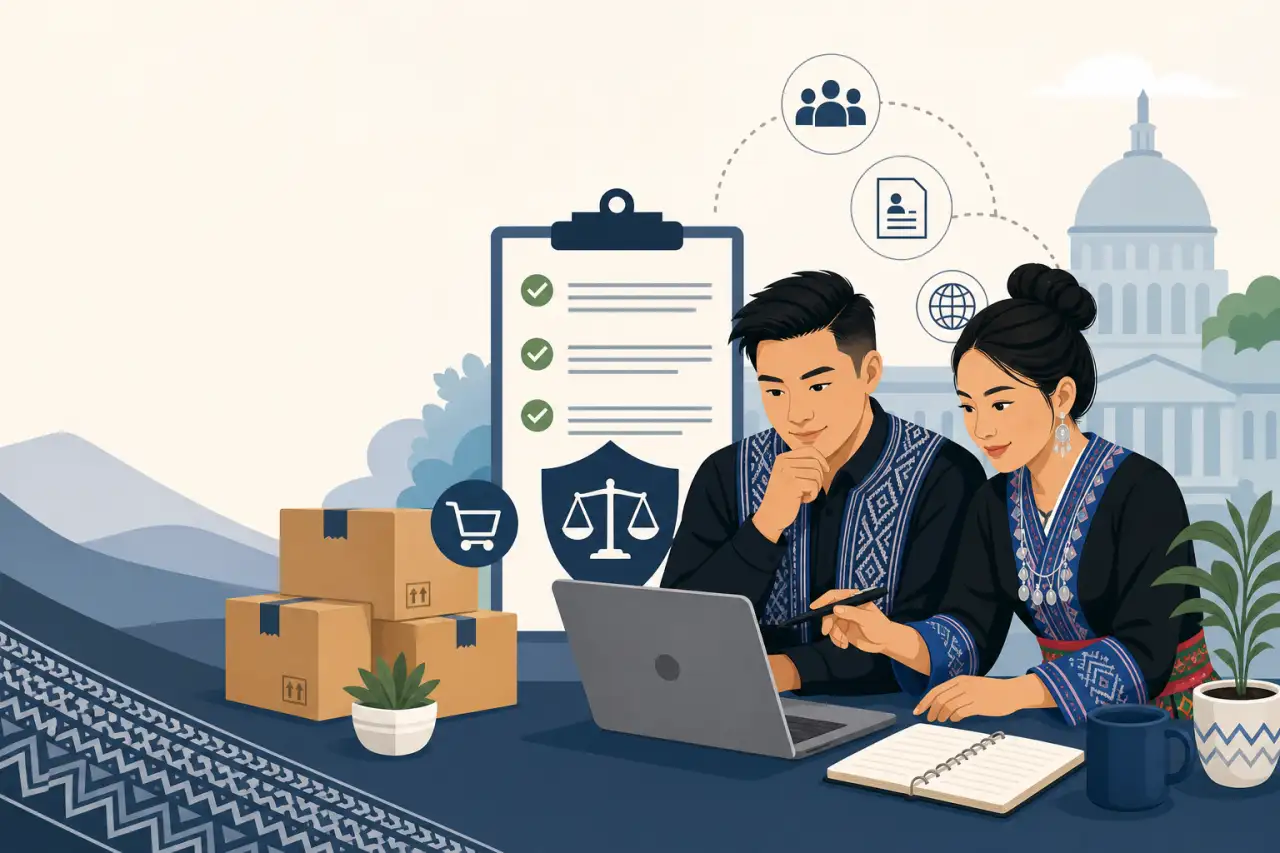
The INFORM Consumers Act: What Sellers Should Know
TL;DR
A federal law called the INFORM Consumers Act requires online marketplaces to verify identity and contact information for high-volume sellers, and to make some of that information public to buyers. Here's who it actually applies to and how to get ready before you're ever asked.
Why This Law Exists
The INFORM Consumers Act became federal law in 2023, and it was written for a specific problem: shoppers on online marketplaces increasingly had no idea who they were actually buying from. Anonymous storefronts made it easy for people selling stolen or counterfeit goods to disappear the moment a buyer tried to trace a purchase back to a real person or business. Lawmakers decided the fix wasn't to ban anonymous selling outright, but to require marketplaces to know who their biggest sellers really are, and to share a slice of that with buyers so they can make an informed decision before they hand over a card number.
It's worth saying plainly: this law was not built with small, family-run sellers in mind. It targets the sellers doing enough volume that anonymity starts to look suspicious rather than just private. If you're listing a handful of handmade items a month, this law almost certainly isn't thinking about you. But it's still worth understanding, because the thresholds are lower than a lot of sellers assume, and a good year can put you closer to them than you'd expect.
It also sits alongside protections you may already be relying on without naming them. If you've ever hesitated to buy from an unfamiliar seller because you couldn't find a real name or a way to reach them if something went wrong, that instinct is exactly what this law is trying to remove from the buying experience for everyone, on every marketplace, not just this one.
Who Actually Counts as a High-Volume Seller
The law defines a high-volume seller as one who, on a given marketplace, within any continuous 12-month period:
- Completes 200 or more separate sales transactions
- Brings in $5,000 or more in gross revenue
Both conditions have to be true at the same time. A seller who does 300 small transactions but only clears $2,000 total doesn't meet the bar. Neither does a seller who sells one $6,000 item and nothing else. It takes both volume and revenue crossing their respective lines together.
The part sellers most often miss is that this is measured per marketplace, not across everywhere you sell. If you also list products on other platforms, those sales don't count toward your status here, and your activity here doesn't count toward your status there. Each marketplace has to track and verify based only on what happens on its own platform. For most sellers on a community-focused marketplace like this one, hitting 200 transactions and $5,000 in a year here specifically is a real milestone, not an accident, so if you're approaching it, it usually means your business here is genuinely taking off.
Put it in concrete terms: a seller pricing paj ntaub textile pieces around $40 apiece would need roughly 125 sales in a year to cross the revenue line, but would need to reach 200 separate orders to cross the transaction line — meaning the transaction count is usually the binding constraint for sellers of higher-priced goods, while a seller of smaller items, like $8 sauces or snack packs, is more likely to hit the revenue line first once volume climbs. Either way, it takes sustained, repeat selling, not a single good week, to get there.
What Information a Marketplace Has to Collect
Once a seller crosses the threshold, the marketplace is legally required to collect and verify a specific set of information:
- A bank account or other payment identifier the seller is paid through
- A tax identification number (an EIN for a registered business, or a Social Security number for a sole proprietor operating under their own name)
- A working phone number or email address
- A physical business address
The marketplace also has to determine whether the account is being operated by an individual or by a registered business entity, since that affects what gets shown publicly later.
None of this is optional once it's triggered, and none of it is unusual to be asked for — it's the same kind of information most payment processors and tax authorities already expect from anyone earning meaningful income through sales. The practical upside of getting this in order early is that verification, when it comes, is a five-minute task instead of a scramble. Keeping a dedicated business bank account, a current EIN, and a real, checkable address on file means you're never caught off guard by a request.
If you've ever received a 1099-K tax form from a payment processor for crossing an income reporting threshold, this will feel familiar — it's a different law with a different purpose, but it draws on the same basic idea that once you're doing real business volume, the entity paying you has to know who you actually are, and it's worth reading alongside our own guide to tax reporting for marketplace sellers. If your bookkeeping is already set up to satisfy your own tax filing, most of what INFORM verification asks for is information you already have on hand.
What Gets Shown to Buyers, and What Doesn't
This is the part that makes people nervous, so it's worth being precise about it. The law requires a marketplace to publicly display, on the seller's storefront:
- A business name (or the seller's own name if they're not operating as a registered entity)
- A physical address
- At least one way for a buyer to actually reach them
That's it. Your bank account number, your tax ID, and any other verification details you provided never appear publicly — they exist only for the marketplace's internal compliance records and are not shown to shoppers, competitors, or anyone browsing the site.
If you're an individual seller who isn't operating as a formally registered business, the disclosure looks a little different: instead of a verified business name and address, the marketplace states that it hasn't confirmed whether you're operating as a business, while still giving buyers a way to contact you and a way to report suspicious activity. Either way, the goal of the public-facing piece is narrow — enough for a buyer to know a real person or business stands behind the listing, not a full profile of your finances.
In practice, this ends up looking like a short, plain block near the bottom of a storefront page: a business name, a city and state (or full address, depending on how the marketplace implements it), and a phone number or email. It reads less like a compliance disclosure and more like the kind of contact information a small brick-and-mortar shop would print on a receipt or a business card, which is really the point — it's meant to feel ordinary, not like a red flag.
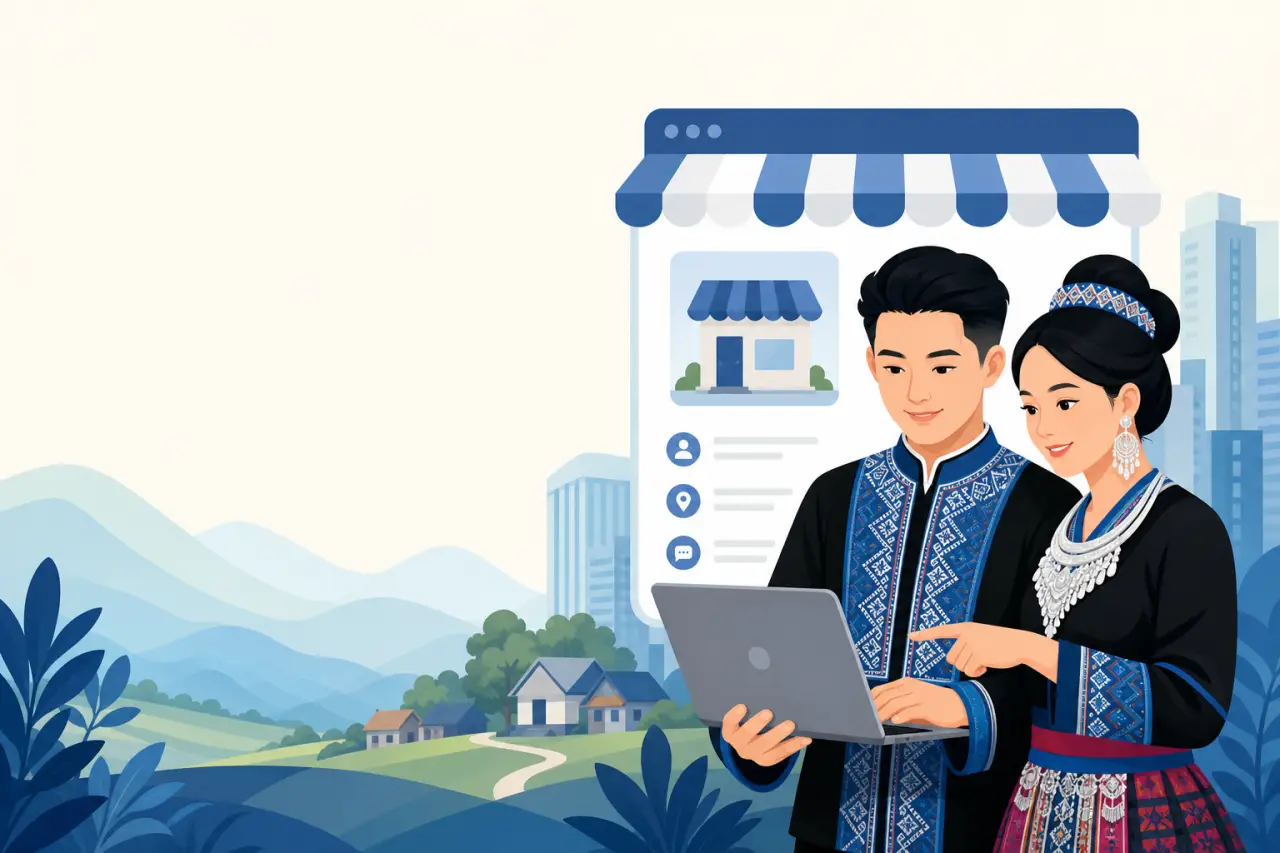
Why This Can Actually Help a Small, Real Business
It's easy to read all of this as a compliance burden, but there's a real upside worth naming. A directory built around real, named, community-connected businesses is already working against the anonymous-storefront problem this law exists to solve. When a buyer can see a real business name, a real address, and a real way to get in touch, that's a trust signal — and trust is exactly what convinces someone to buy from a small vendor they've never heard of instead of a big-box alternative.
For Hmong-owned businesses building a customer base one relationship at a time, being clearly identifiable isn't a liability, it's often the whole pitch. A shopper who sees a verified business name tied to a real Twin Cities or Fresno address is more likely to trust a listing than one with no identifying information at all. If you're going to cross the threshold eventually, treating the verified information as part of your storefront's credibility rather than an intrusion is the more useful way to think about it.
This pairs naturally with everything else that already builds trust on a small marketplace:
- A reviews section with real ratings (see how seller ratings are calculated)
- A claimed and verified listing badge
- A responsive owner who replies to messages quickly
Verified contact information is one more piece of that same picture, not a separate, unrelated hoop to jump through.
Getting Ready Before You're Ever Asked
The best time to prepare for this is before it applies to you, not after. A few concrete steps make the eventual verification painless:
- Get an EIN from the IRS if you don't already have one, even if you're currently a sole proprietor — it's free, takes a few minutes online, and lets you keep your Social Security number off business paperwork going forward, and if you haven't settled on one yet, it's worth picking the right business structure before you register for one.
- Open a separate bank account for business income if you haven't already, since mixing personal and business funds makes every kind of verification, tax filing, and bookkeeping harder than it needs to be.
- Decide ahead of time what address you're comfortable having verified and potentially shown publicly. If you don't want your home address on file, options like a registered agent service or a commercial mail box with a real street address (not a bare PO box) are worth setting up before you're asked, not during a compliance deadline.
- Finally, pick one phone number or email you'll use consistently as your business contact, and keep it current — a verification request that bounces because your contact info is stale is the single most avoidable way to end up with a hold on your account. If that same number is also how you text customers directly, it's worth separately staying compliant with texting laws in your state, since that's a different set of rules than this one.
It also helps to keep a running total, even a rough one, of your order count and revenue for the year on this marketplace specifically. Sellers who track this already know roughly where they stand relative to the threshold and aren't surprised by a verification request; sellers who don't track it tend to find out only when the notice arrives, which is the worst possible time to start gathering documents.
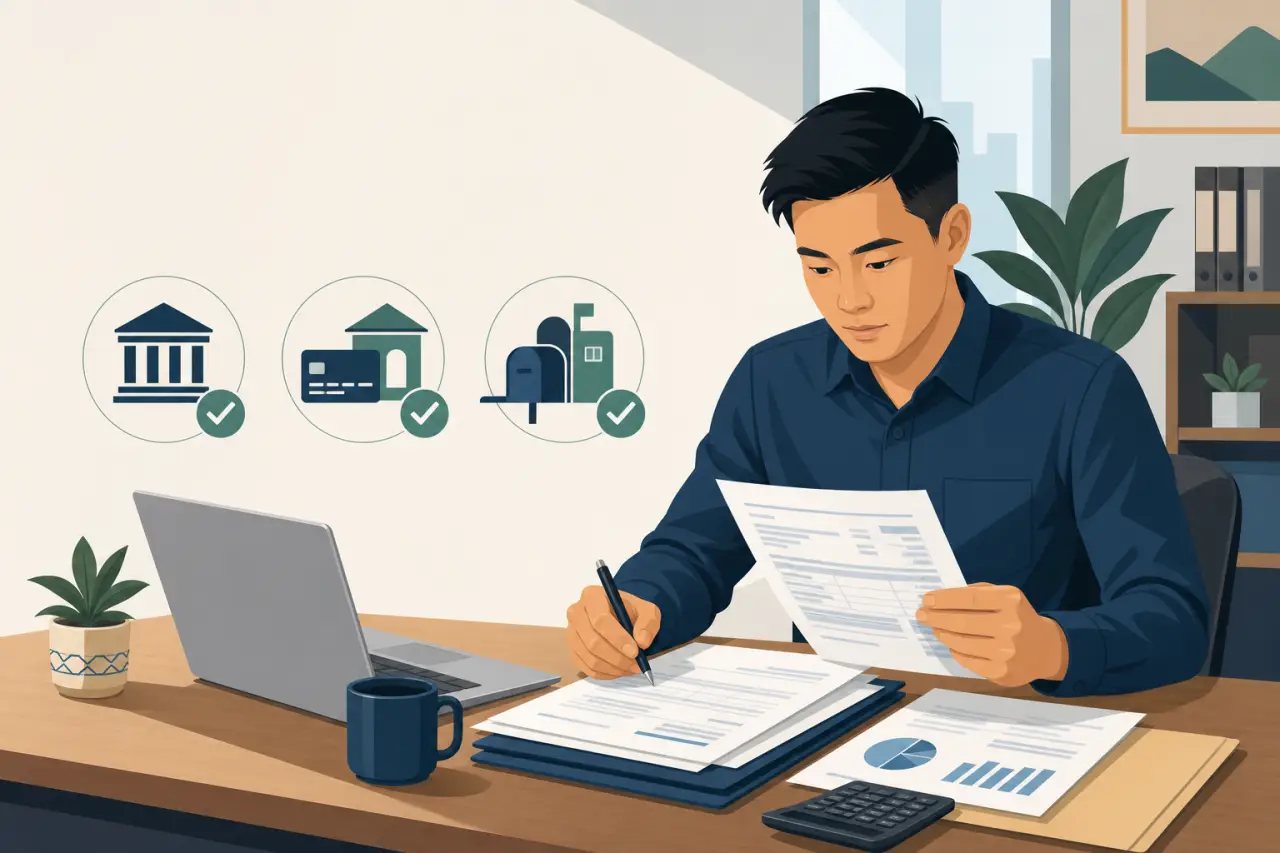
What Happens If You're Asked and Don't Respond
If your account crosses the threshold, you'll be notified directly with a clear explanation of what's needed and why — this isn't something that happens silently in the background. From there, the law gives sellers a limited window, typically around ten days, to provide the required verification information. If it isn't provided in that window, the marketplace is required to suspend the account's ability to make new sales until the information is submitted and verified. This isn't a punitive measure aimed at making life difficult for real sellers; it's the mechanism the law uses to make sure verification actually happens rather than becoming an ignorable request.
Once you're verified, it isn't a one-time event — marketplaces are required to periodically re-confirm high-volume sellers' information, generally on an annual basis, to make sure contact details and business status are still accurate. If your address, bank account, or business structure changes, updating it promptly keeps you from getting flagged unnecessarily at the next re-verification cycle.
If more than one person manages your storefront, whether that's a spouse, a grown child, or a business partner, make sure whoever checks the account's email or messages regularly knows what a verification request looks like and isn't going to mistake it for spam or ignore it. Losing selling time over a request that simply went unread is an easy problem to avoid with a little bit of coordination up front.
This Is a Floor, Not the Whole Picture
The INFORM Consumers Act sets a minimum standard for identity verification and transparency on online marketplaces, but it isn't the only compliance question a growing seller should be thinking about. Sales tax registration in the states you ship to, business licensing in your own city or county, and keeping clean records for your own tax filings are separate obligations that don't go away just because you've handled this one. Crossing the high-volume threshold here is often a useful trigger to take stock of all of it at once, since it usually means your business has genuinely outgrown a hobby-level setup.
A few states have also passed their own versions of consumer-protection rules for online sellers, with their own thresholds and requirements that can differ from the federal standard. If you sell into multiple states regularly, it's worth checking whether any of them have added obligations on top of this one, rather than assuming federal compliance automatically covers everything.
This page is meant as a general orientation, not legal advice, and the specific thresholds and requirements described here can be updated by future legislation or regulation. If you have questions about how this law applies to your specific business, or you're not sure whether a change in your sales activity puts you close to the threshold, talk to a qualified accountant or attorney who can look at your actual numbers rather than relying on a general summary like this one.
Questions people ask
Do I have to follow the INFORM Consumers Act if I'm a small seller?
Only if you cross the threshold on a single marketplace: 200 or more sales transactions and $5,000 or more in gross revenue within a continuous 12-month period. Both conditions have to be true at the same time. Most small, family-run sellers won't hit this bar, but it's worth understanding because a good year can get you closer than you'd expect.
What information will buyers see about me if I'm a high-volume seller?
Buyers will see your business name (or your own name if you're not registered as a business), a physical address, and at least one way to contact you — like a phone number or email. Your bank account, tax ID, and other verification details stay private and are never shown publicly.
What do I need to do to get ready for verification before I'm asked?
Get an EIN from the IRS, open a separate business bank account, decide what address you're comfortable having verified, and keep one reliable phone number or email current as your business contact. Also track your sales and revenue so you know where you stand relative to the threshold.
What happens if I don't respond to a verification request?
You'll have roughly ten days to submit the required information. If you don't, your account will be suspended from making new sales until you provide verification. Once verified, you'll need to re-confirm your information periodically, usually annually, to keep everything current.
Written by
Hmong Network Team
Directory & Digital Services
We run the Hmong Network directory and do the web design and SEO/AEO work behind the results in our case studies. These guides come out of that same hands-on work with Hmong-owned businesses — not secondhand research.
