

Should Your Business Offer a Subscription Option?
TL;DR
A subscription option can turn occasional buyers into steady, predictable revenue — but only for products people genuinely run out of and want again, and only if it stays genuinely easy to pause or cancel.
What Makes a Subscription Model Actually Work
A subscription option is one lever among several that shape what actually drives online sales, and it works when the product is something a customer runs out of and predictably wants more of on a knowable schedule:
- coffee beans
- loose-leaf tea
- skincare serums
- spices and pantry staples like jasmine rice or fish sauce
- vitamins
- pet food
- farm produce boxes
What makes these repeat purchases is that the customer already made the decision once: they liked it, they'll want more, and the only real question is timing. That's the entire mechanic a subscription automates — instead of the customer remembering to reorder, you handle the timing for them.
This is also exactly where it breaks. If your product is something people buy once and are done — a custom paj ntaub wedding outfit, a one-time embroidery commission, help with an immigration filing, a wedding photography package, a home renovation — a subscription structure doesn't fit the purchase pattern, no matter how you price it. Forcing recurring billing onto a one-time purchase just adds friction a customer didn't ask for, and it can cost you the sale entirely. Before you build anything, ask honestly: does this customer come back for more of the same thing, or does buying it once solve the problem?
The business case is real when the fit is real. Recurring revenue is easier to plan a payroll or an inventory order around than sales that swing week to week, and a subscribed customer doesn't have to be re-won every month the way a one-time buyer does. But that predictability only exists if people actually stay subscribed. A subscription program with a lot of early cancellations doesn't save you marketing effort — it just adds customer service work, refund requests, and awkward conversations, on top of the sales you'd have made anyway.
Which Kinds of Products and Services Fit This Model
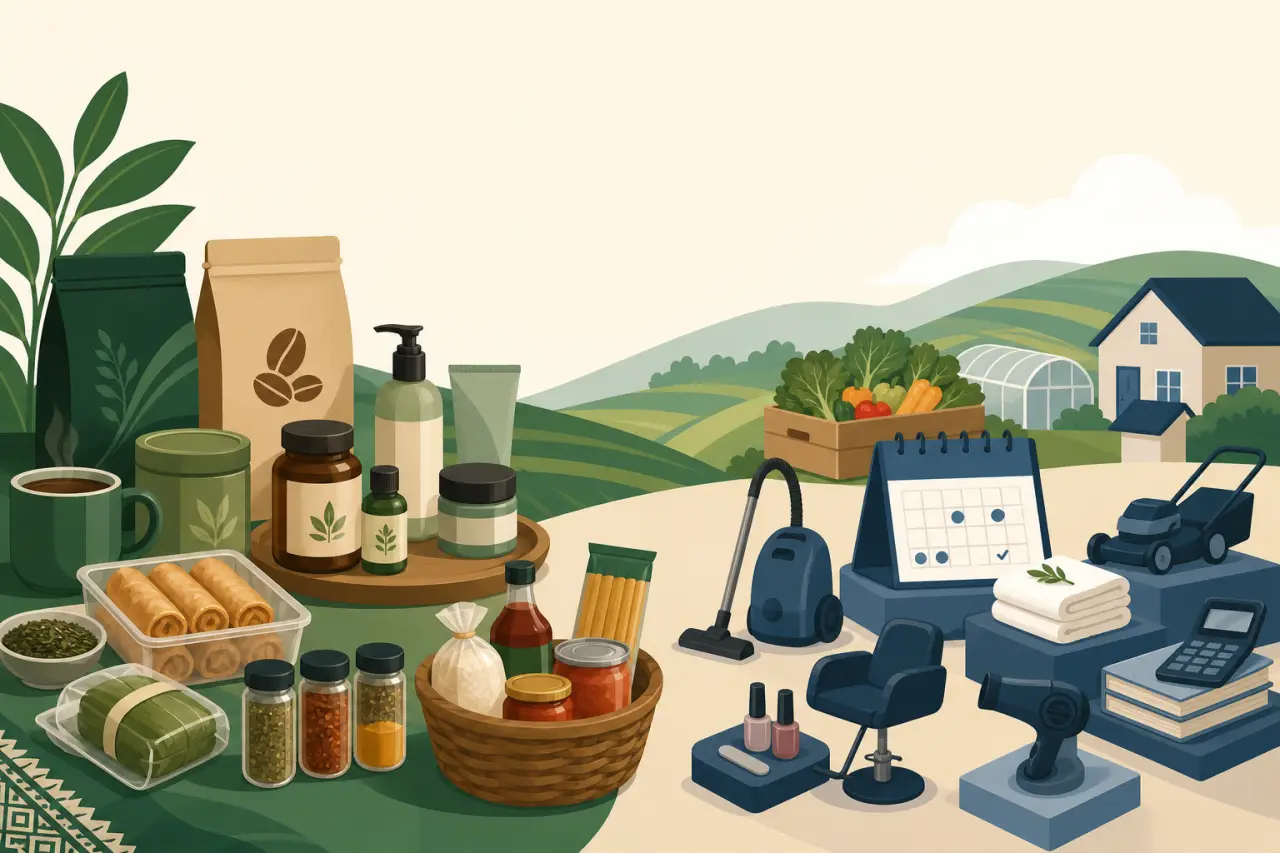
The clearest fits are consumable goods with a natural reorder cycle:
- coffee and tea
- prepared foods that freeze well like egg rolls or sticky rice packs
- skincare and beauty products
- herbal supplements
- spices
- grocery staples a family goes through every few weeks
If you run a small farm or grow produce, a weekly or biweekly box — sometimes called a CSA model — works the same way: customers pay ahead for a season, and you plan your planting and harvest around known demand instead of guessing.
Recurring services fit too, even though they don't look like a traditional subscription box. A house cleaning business that books the same customer every two weeks, a lawn care route, a salon offering a monthly membership for a blowout or a set number of nail appointments, a bookkeeper or web-maintenance provider billing a flat monthly retainer instead of invoicing project by project — these all function as subscriptions, even if you never use that word with the customer. The through-line is the same: the customer needs this again, on a schedule you can predict, and prepaying or auto-billing removes friction for both of you.
Where it doesn't fit, don't force it. Catering for a single wedding, a custom sewing commission, a one-time legal filing, an insurance policy bought once a year — these are relationship businesses built on trust and referrals, not recurring purchases, and wrapping them in subscription language usually just confuses the pitch. If most of your revenue looks like this, your growth lever is referrals and repeat project work, not a subscription tier — the same call behind picking the right kind of growth for a relationship-driven business.
Test It First: Start With One Product, Not Your Whole Catalog
Don't convert your whole catalog to subscriptions on day one. Pick the single item customers already reorder the most without being asked — your best-selling roast, the spice blend everyone buys again, the cleaning package your regulars book every month — and build the subscription option around that one thing first. This keeps the operational risk small while you learn whether customers actually want to commit ahead of time, versus just buying again when they run out.
Make the offer genuinely worth committing to:
- A modest discount (5-15% is common and sustainable for most small margins)
- A small perk like free shipping or a bonus item
- Priority access if you sell out often
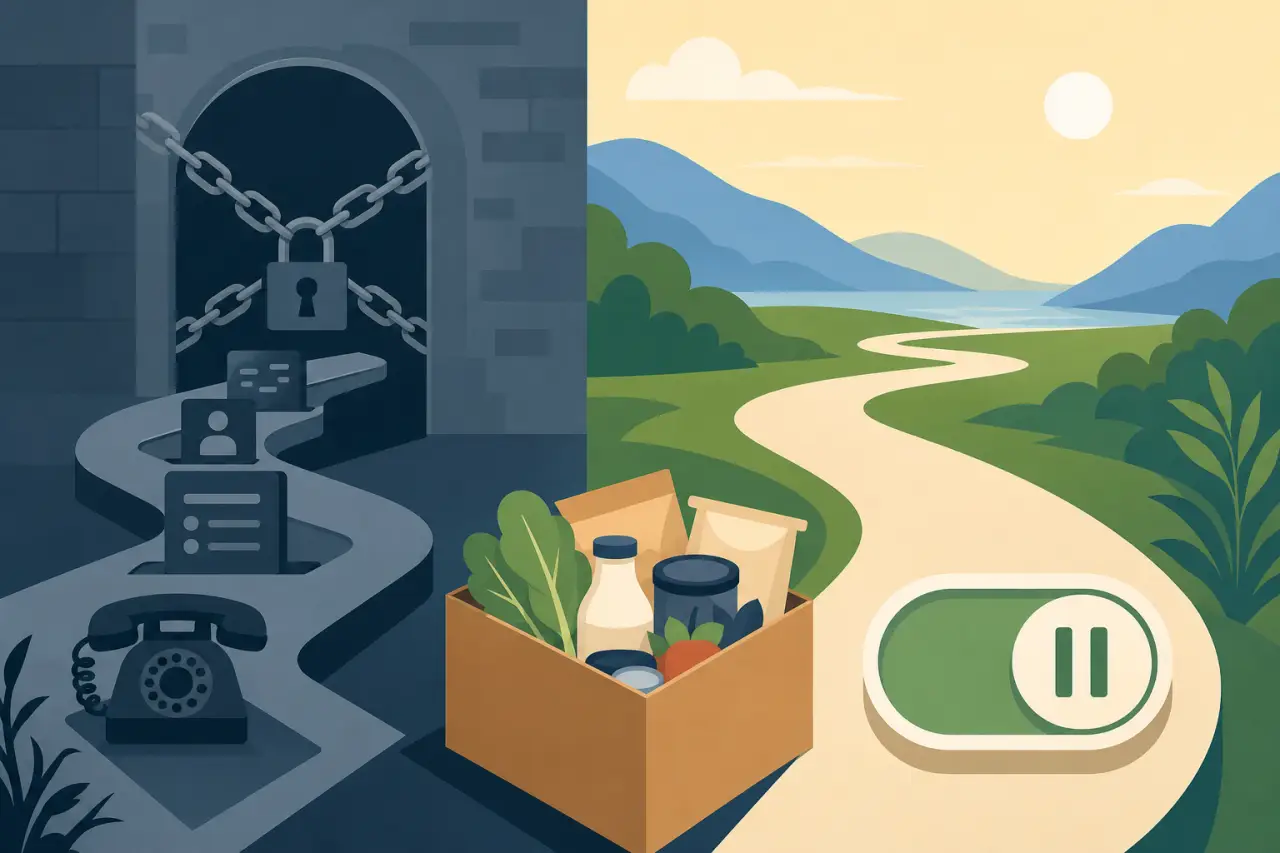
Just as important, make pausing or canceling as easy as signing up — a link in the confirmation email, a reply-to-cancel text, a button in their account, not a phone call during business hours. A subscription that feels like a trap to get out of does more damage to your reputation, especially in a close-knit community where word travels fast, than it's worth in the few extra weeks of billing you might squeeze out.
Watch two numbers as you run the pilot:
- How many people actually sign up
- How many are still subscribed after their second or third billing cycle
If the second number is weak, that's almost always a signal about the product or the value of staying subscribed — not something a coupon code or a marketing push will fix. It's much cheaper to learn that from fifty subscribers on one product than from your whole catalog at once.
Pricing the Subscription So It Actually Pays Off
The discount that gets someone to sign up needs to survive contact with your real costs. Before you set a subscriber price, work out your actual cost per unit, including packaging and, if you ship, the cost of shipping smaller and more frequent orders instead of one bulk purchase. A 15% discount on a product with tight margins can quietly turn a subscription into a program that loses you money every cycle it runs, even while it looks successful on paper because signups are strong.
If your margins are already thin — common in handmade goods, small-batch food, and anything with real labor in every unit — consider a perk instead of a price cut:
- A free add-on every third box
- Early access to new flavors or products
- A loyalty credit toward a future order
A perk can feel just as valuable to the customer without eating into the price you need per unit to stay profitable.
Decide up front how billing will work when your costs change. If your ingredient or material costs rise, will existing subscribers keep their locked-in rate, or will everyone move to the new price with notice? Deciding this before you have subscribers, and stating it plainly in the signup terms, avoids an awkward and trust-damaging conversation later when you actually need to raise prices.
The Operational Side: Fulfillment, Inventory, and the Tools You'll Need
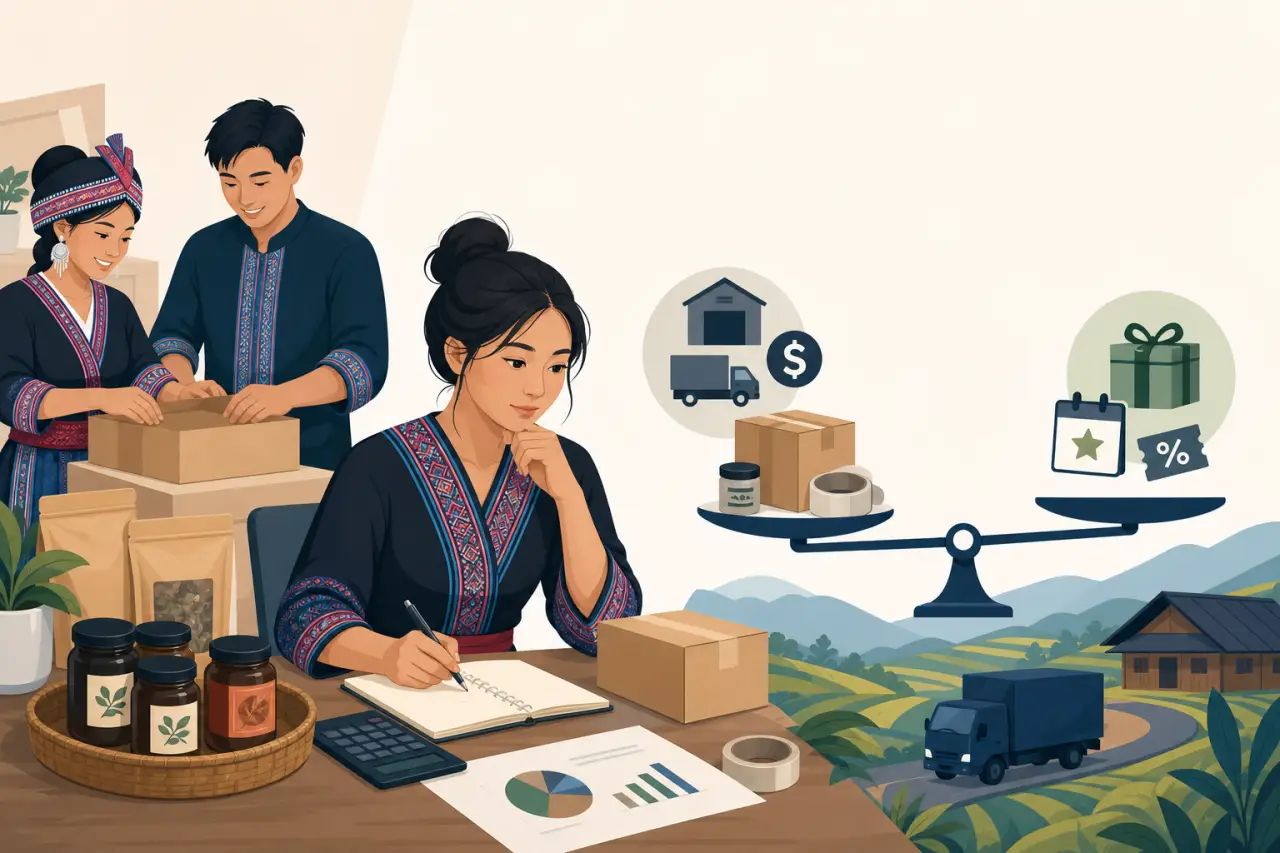
A subscription changes your operations, not just your sales page. Instead of demand arriving whenever a customer feels like ordering, it arrives in a predictable wave, on a fixed day or days — a weekly farm box, a monthly skincare shipment, a biweekly cleaning route. That's the whole point, but it means you need to actually plan around it:
- Enough inventory on hand before the batch ships or the appointments start
- Enough packaging supplies
- If it's a service, enough staff hours blocked off so a subscriber's slot doesn't get bumped by a one-time customer who called first
You also need billing software that actually handles recurring charges, not a manual system where someone has to remember to invoice the same fifteen people every month. Most payment processors small businesses already use for one-time sales — Stripe, Square, and subscription apps built into platforms like Shopify — support recurring billing directly, including automatically retrying a payment when a card is declined and emailing the customer to update an expired card before you have to chase them down yourself. If you sell through Hmong Network's own marketplace, it's worth keeping an eye on what recurring orders will look like on the marketplace as that capability rolls out, so you can layer it into your existing setup instead of rebuilding your billing from scratch. Setting this up properly before launch saves you from becoming an unpaid collections department a few months in.
If you're a family-run business without a lot of extra labor hours, be honest about whether a weekly cadence is sustainable versus a monthly one. A subscription that quietly burns out whoever is packing boxes or driving the route isn't actually saving anyone time — it's just moved the workload from marketing into fulfillment, and fulfillment stress is a lot harder to recover from during a busy season like Hmong New Year or wedding season.
Make It Easy to Pause or Cancel
The instinct to make cancellation hard — extra steps, a phone call, a "talk to a specialist first" wall — comes from a real fear that a canceled subscriber is a lost customer. In practice it usually backfires. Making someone fight to leave doesn't win back their business; it just makes sure the last thing they remember about you is friction, and in a community where reputation and referrals carry real weight, that's a worse outcome than a subscription that quietly ends after two months.
A "skip this month" option does more for retention than a hard-to-find cancel button ever will. Someone traveling, tight on money that month, or simply with a full pantry can pause without fully leaving, and they're far more likely to come back on their own once things settle than someone who had to cancel outright and now has to re-sign-up from scratch to return.
When someone does cancel, ask why — one short question in the cancellation flow or a quick follow-up text is enough. Over time the pattern in those answers tells you more than any other feedback source about whether the problem is price, quantity, timing, or something about the product itself, and that's exactly the information that should shape your next pricing or packaging decision.
What to Watch After Launch: The Numbers That Tell You What's Really Happening
Once the pilot is running, the two numbers from the test phase don't stop mattering — they become your ongoing dashboard. Track:
- How many subscribers you have active at any time (not just how many have ever signed up, which includes everyone who already canceled)
- Retention at the two- and three-cycle mark for every new group of subscribers, not just your original pilot group
A subscription program that looked strong at launch can quietly erode if a later batch of new products or a price change shifts the retention pattern, and you won't catch that without watching the number specifically, not just total revenue.
Compare, roughly, what a subscriber is worth to you over six months against what a similar one-time customer spends in the same period. You don't need sophisticated software to do this — a simple spreadsheet tracking total subscription revenue against the number of active subscribers over time will tell you what you need to know. If subscribers are clearly worth more over that window, that's your evidence to expand the program to a second or third product, or even to start selling on marketplaces too as another channel for finding subscribers beyond your own site. If they're not, that's useful information too, before you've invested more in building it out.
The real payoff of a subscription program that works isn't just the recurring revenue line — it's the planning confidence that comes with it. Knowing roughly how many boxes you're packing next month lets you:
- Buy ingredients or materials in bulk with less guesswork
- Schedule staff hours instead of scrambling
- Walk into a slow season with a revenue floor instead of starting from zero
That's worth more to most small businesses than the subscription revenue itself, and it's the reason it's worth testing carefully rather than either skipping it entirely or rolling it out to everything at once.
Questions people ask
What kind of business should offer subscriptions?
Subscriptions work best for products customers run out of and reorder predictably: coffee, tea, spices, skincare, pet food, produce boxes. They also fit recurring services like house cleaning, lawn care, or salon memberships booked on a regular schedule. Avoid subscriptions for one-time purchases like custom sewing, wedding photography, or legal filings — the customer doesn't need it again, and forcing recurring billing just adds friction.
How do I know if my subscription idea will actually work?
Start with your single best-selling item that customers already reorder without prompting. Launch only that one product, not your whole catalog. Watch two numbers: how many people sign up and how many stay subscribed after their second or third billing cycle. If the second number is weak, the problem is usually the product or value proposition, not marketing. It's cheaper to learn this from fifty subscribers than from your entire business.
What discount should I offer to get people to subscribe?
A modest discount of 5-15% is common and sustainable for most small margins. But first calculate your real cost per unit, including packaging and shipping smaller orders more frequently. If margins are already tight, offer a perk instead: a free add-on every third box, early access to new products, or loyalty credits. A perk can feel just as valuable without cutting into the price you need to stay profitable.
How do I make sure my subscription doesn't damage my reputation?
Make canceling and pausing as easy as signing up—a link in the confirmation email, a text reply option, or a button in their account. Don't force people to call during business hours or jump through hoops to leave. Offer a "skip this month" option so customers can pause without fully canceling. In a close community where reputation matters, friction around cancellation damages trust more than losing a few weeks of billing ever gains.
Written by
Hmong Network Team
Directory & Digital Services
We run the Hmong Network directory and do the web design and SEO/AEO work behind the results in our case studies. These guides come out of that same hands-on work with Hmong-owned businesses — not secondhand research.
