
What It Actually Takes to Sell Online (Not Just Build a Store)
TL;DR
Most online stores lose sales to friction, not looks: a confusing checkout, a shipping surprise, or nobody finding the site at all. Fix those, get found, and earn repeat buyers before you touch the design.
Fix the Boring Stuff First
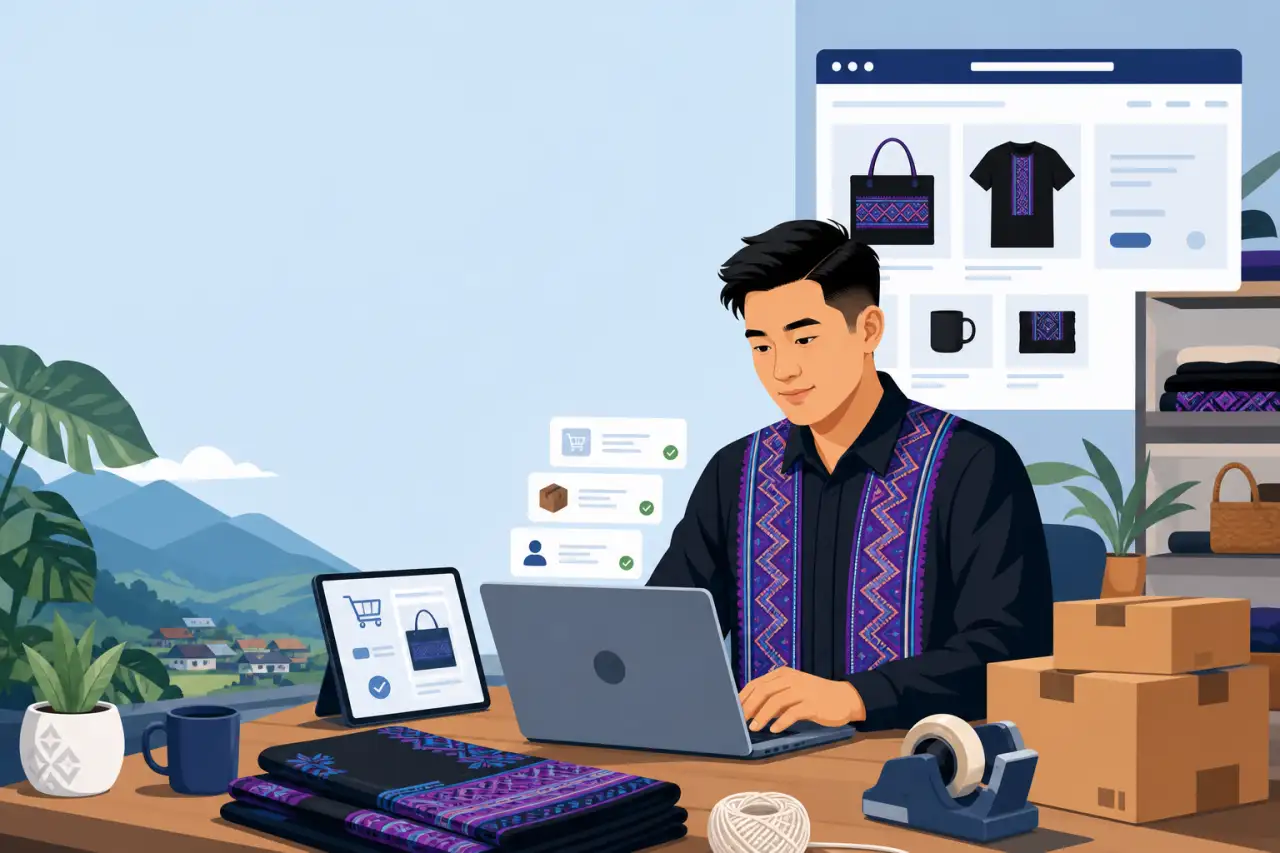
Setting up an online store is fast now — pick a platform, add products, connect a payment processor — choosing the right payment options matters more than it seems at first — and you're live in an afternoon. That speed is exactly why it was never the hard part. It just feels like progress because you can check it off a list.
What actually costs you sales is friction:
- product photos that don't match what arrives
- a checkout that asks someone to create an account before it'll take their money
- a shipping cost that only shows up on the very last screen
Every extra click or surprise is a chance for someone to close the tab. Walk through your own checkout as a stranger would, on your phone, and count how many times you'd almost give up.
None of this requires a redesign. Most of it is a checklist:
- test the checkout on a phone
- add estimated shipping costs to the product page instead of the cart
- swap out any photo that doesn't match the real product
Small fixes, compounding effect. If you're running your store off a Facebook page or a Shopify site your cousin set up two years ago — or you're weighing setting up a store on WordPress instead — block out one evening just to click through it as a buyer would — you will find at least one thing worth fixing.
Being Findable Matters More Than Being Polished
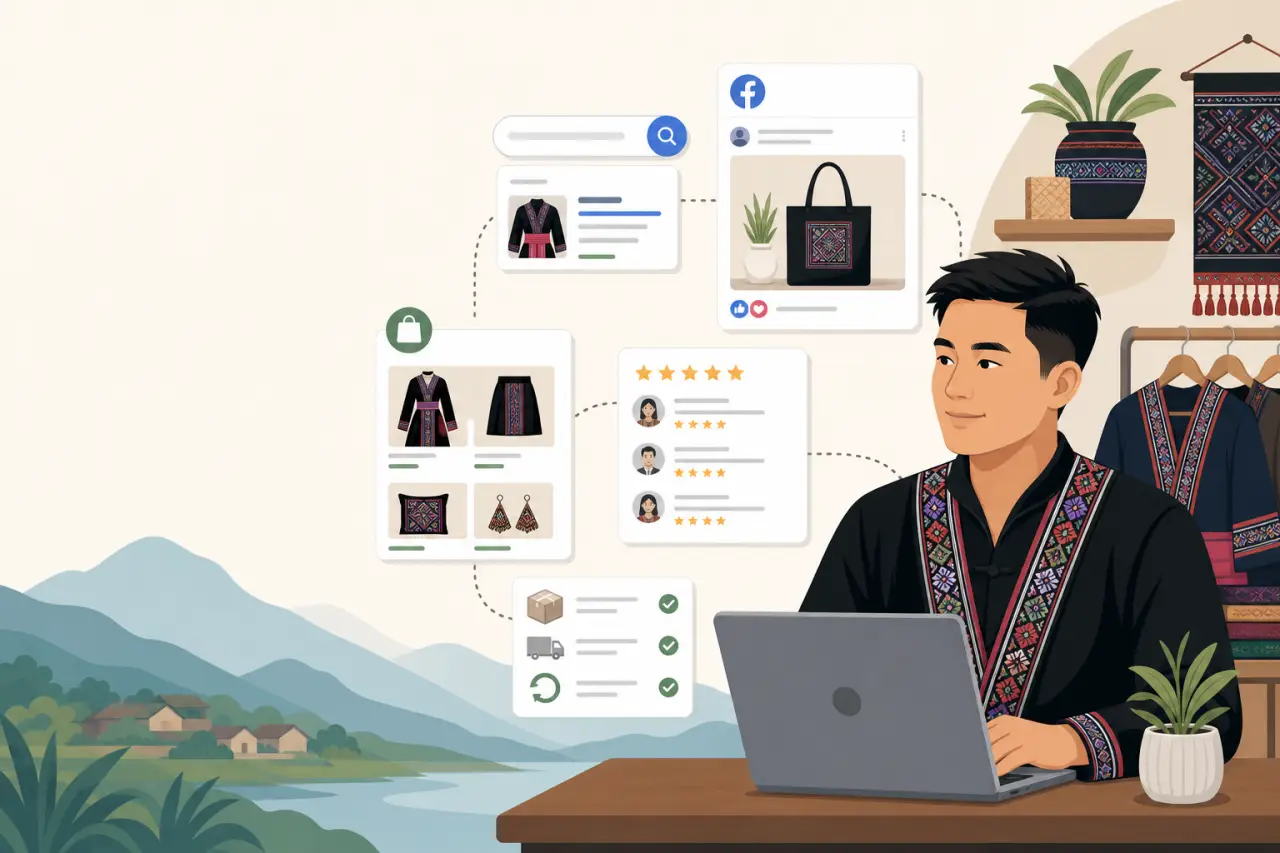
A beautiful store with no visitors sells nothing. Before spending another weekend tweaking the homepage, make sure people can actually find you — through search, through the social platforms your customers already use, and through any directory that puts your listing in front of people already looking to buy.
Once someone lands on your page, answer the silent questions a first-time buyer has before they have to ask: what happens if this doesn't fit, how long will it take to arrive, and is this a real business. A clear return policy and a few honest reviews do more for your conversion rate than another product photo ever will.
If you're not sure where to start, ask five recent customers how they actually found you. The honest answer is usually more useful than any traffic report, because it tells you which one channel to double down on instead of spreading effort evenly across all of them. For a lot of Hmong-owned shops, that channel turns out to be a Facebook group or a family member's page long before it's Google — and that's fine. Findable doesn't mean ranking on a search engine; it means a real person can locate you the way they already look for things.
Your Photos Are Doing More Selling Than Your Copy
Nobody reads a product description before they look at the picture. For handmade goods especially — paj ntaub textiles, embroidery, jewelry, home-cooked sauces and snacks — the photo has to do the work a customer would otherwise get from holding the item in their hands: the texture, the true color, the actual size next to something familiar.
You don't need a studio. You need:
- consistent light (a spot near a window, same time of day)
- a plain background that doesn't compete with the product
- one photo that shows scale — a scarf on a person's shoulders, a jar next to a coffee mug
Take the photo you'd want to see if you were buying blind from a stranger online, because that's exactly what your customer is doing.
Video helps more than most sellers expect, and it doesn't need editing. A fifteen-second clip of fabric moving, food being plated, or a piece being worn tells a buyer more in that short a time than three paragraphs of description. If you're already posting to TikTok or Instagram for exposure, the same clip belongs on the product page — don't make it live in only one place.
Don't skip the close-up. A wide shot sells the idea of a product; a tight shot of the stitching, the label, or the grain of the wood is what convinces someone the quality matches the price. If a photo would embarrass you next to the real item once it arrives, retake it before you post it — that gap is exactly where a return or an angry message comes from later.
The Shipping Cost Conversation You Can't Avoid
Shipping is where a lot of otherwise-solid stores lose the sale, and it's rarely because the price is too high — it's because the price shows up too late. A customer who fills a cart, gets to checkout, and sees an unexpected shipping charge is far more likely to abandon the order than one who saw the same number on the product page from the start.
You have a few honest options, and any of them works better than surprising people:
- build shipping into the item price and offer "free shipping"
- show a flat rate up front regardless of what it actually costs you to ship
- show a real estimate based on zip code before checkout begins
What you pick matters less than picking one and being upfront about it everywhere a price appears.
If you're shipping handmade or food items, weigh and measure a few real packages before you set your rates — don't guess, and if you're not sure what scale or packaging to buy first, the actual gear list you'll need is a good place to start. A rate that's too low quietly eats your margin on every single order, and you often won't notice until months later when you're wondering why a "successful" month left less profit than it should have. And once you're shipping enough orders that doing it all by hand starts to hurt, simplifying shipping as orders grow is worth a look.
Selling in More Than One Place Without Losing Your Mind
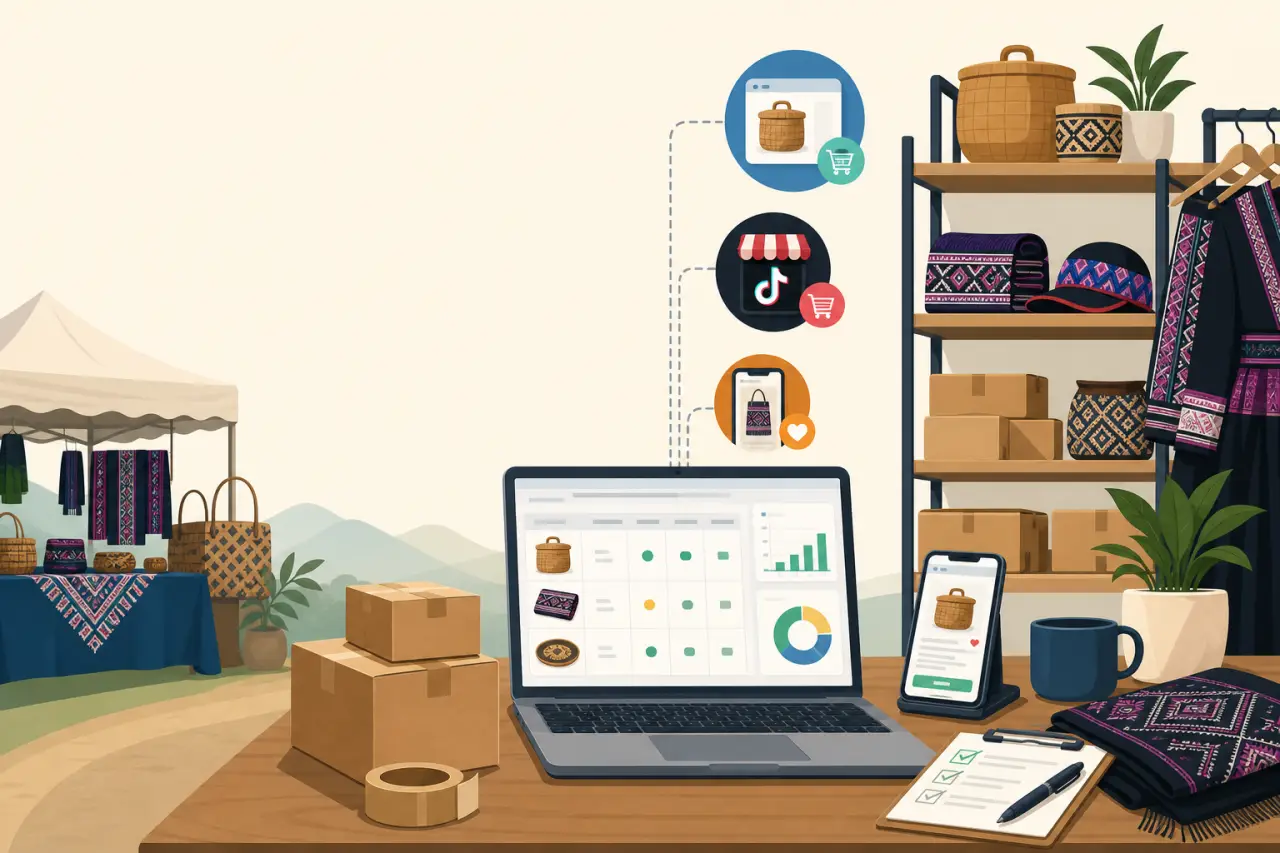
Most small businesses selling online today aren't running one store — they're running a Facebook Shop, a TikTok Shop, maybe an Etsy listing, and a table at the Hmong New Year celebration or a weekend market, all at once. That's not a mistake; it's where your customers already are, and meeting them there is smart. The mistake is treating each one as a separate business instead of one inventory with several doors into it.
The failure mode to watch for is overselling: someone buys the last of an item on TikTok Shop five minutes after someone else bought it on Facebook, and now you owe two people something you only have one of. If you're doing more than a handful of sales a week across platforms, a simple shared spreadsheet that gets updated the moment something sells — even a basic one, checked by whoever's home — will save you the apology messages.
Pricing consistency matters too. If your prices differ across platforms because each one takes a different cut, say so, or absorb the difference — customers compare, especially in a close-knit community, and a price gap that looks unfair will get talked about faster than you'd expect.
Divide up who owns what, even informally. A lot of family businesses run into trouble not because nobody's watching the platforms, but because everybody assumes someone else is — a message sits unanswered on Instagram for two days because everyone thought it was someone else's turn to check. One person per platform, or one person who checks all of them once a day, beats leaving it to whoever happens to notice.
What Happens After Someone Orders Matters as Much as the Sale
The order confirmation is the start of the relationship, not the end of the transaction. A buyer who hears nothing between "payment received" and a package showing up unannounced on their porch is quietly anxious the entire time, even if nothing went wrong — and that anxiety is what turns into a message asking "did you get my order?" that you now have to answer one-on-one.
You don't need automated software to fix this if you're small. A short message when the order ships, with a tracking number if you have one, closes that loop for almost no effort. If you're fulfilling orders through WhatsApp or Messenger, which a lot of family-run shops already do because that's how customers reach out in the first place, that same thread is exactly where the update belongs — customers won't have to go looking for it.
This is also where repeat business actually gets built. A first-time buyer decides whether to come back based on what happened after they paid, not before — how fast it shipped, whether it matched the photo, whether anyone answered when something needed fixing. Treat that window as part of the sale, not an afterthought once it's done.
Returns Are a Trust Problem, Not Just a Logistics Problem
A lot of small sellers avoid writing a return policy because they hope they'll never need one — but an unclear policy doesn't prevent returns, it just makes the first one harder to handle when it happens, and it makes hesitant buyers hesitate longer. A customer deciding whether to buy from a shop they've never used before will look for a return policy specifically to judge whether the business seems trustworthy, even if they never end up needing to use it.
Your policy doesn't have to be generous to be effective — it has to be clear and easy to find. "All sales final on made-to-order items, returns accepted within 7 days on ready-made stock" tells a customer exactly what they're agreeing to, and that clarity is what builds confidence, not the leniency of the terms themselves.
When a return does happen, how you handle it matters more than whether it happened at all. A customer who has a problem resolved without a fight becomes more loyal than one who never had a problem in the first place — they've now seen how you act when something goes wrong, which is worth more than any product photo.
Check the Same Few Numbers Every Week
You don't need a dashboard full of metrics — you need to look at three or four numbers on a regular schedule so you notice a problem while it's still small:
- how many people visited versus how many bought (this tells you if it's a traffic problem or a store problem)
- how many carts got started but never finished (this points straight at your checkout)
- where your last ten orders actually came from (this tells you which channel is doing the real work)
Most store platforms already show you this without any setup — it's usually sitting in a dashboard tab you've never opened. The habit of checking it, even just for five minutes every Sunday, is what turns "sales feel slow this month" into "sales are slow because half our carts abandon at the shipping screen," which is a problem you can actually go fix.
Skip the vanity numbers — likes, follows, impressions — unless you can draw a straight line from them to an order. They feel good to watch and tell you almost nothing about whether the business is actually working.

Questions people ask
How do I make sure people don't abandon my online store before they buy?
Walk through your checkout on your phone as a stranger would. Count how many surprises or extra clicks happen. Common friction points: asking for an account before checkout, shipping costs that only appear at the end, or product photos that don't match the real thing. Fix those basics first — they cost more sales than a slow website ever will.
What should I do if I'm selling on multiple platforms at the same time?
Treat them as one inventory with several doors, not separate businesses. The main risk is overselling the same item twice. Use a shared spreadsheet updated the moment something sells. Pick one person per platform to answer messages, or one person who checks everything daily. This prevents messages from sitting unanswered because everyone assumed someone else was handling it.
Should I send updates after someone orders from me?
Yes. A short message when the order ships with a tracking number closes the loop and stops the buyer from worrying. If you're already communicating through WhatsApp or Messenger, send updates there — customers won't have to go looking. This is where repeat business gets built, not before they pay.
Do I really need a return policy if I'm a small seller?
A return policy doesn't prevent returns. What it does is build trust with hesitant buyers deciding whether to buy from you. It doesn't have to be generous, just clear and easy to find. "All sales final on made-to-order, returns within 7 days on ready-made stock" tells a customer exactly what they're agreeing to.
Written by
Hmong Network Team
Directory & Digital Services
We run the Hmong Network directory and do the web design and SEO/AEO work behind the results in our case studies. These guides come out of that same hands-on work with Hmong-owned businesses — not secondhand research.
