

Filling In Product Details the Right Way
TL;DR
Brand, condition, size, color, and material fields are what let a buyer filter their way to your listing and trust what they see once they get there — here's what to fill in, what to put when the field doesn't quite fit your product, and how to keep it consistent across your whole storefront.
Why the Details Field Isn't Optional
Your title and photos (see our photo guidelines for your listings) get a buyer's attention, but the structured details underneath — brand, condition, size, color, material, and whatever else your category offers — are what actually get you into the search results in the first place. They're one of the four essentials of a listing, alongside your title, photos, and price. A shopper browsing the marketplace almost never scrolls every listing in a category. They narrow first: condition set to new, size set to medium, color set to blue. A listing with those fields filled in correctly shows up in that narrowed list. A listing with them left blank or set to a generic default often doesn't, no matter how good the photos are.
The cost of skipping this shows up later, too. A buyer who can't tell your item's actual measurements, fabric, or condition from the listing itself has two options: ask you a question you'll now have to answer, or move on to a competitor's listing that already answered it. Both cost you a sale, one slowly and one instantly. And when an unclear listing does convert, it's more likely to come back as a return or a dispute, because the buyer built an expectation in their head that your details field never corrected.
It's easy to treat this as busywork when you're rushing to get a listing live between orders, appointments, or a full-time job on top of running the shop. But the fields take a couple of minutes, and the payoff isn't abstract — it's the difference between a listing that surfaces itself to the exact buyer looking for it, and one that only ever gets found by someone who happened to already know your shop's name and went looking for it directly.
 Claim your free business listingFree forever — no credit card required.
What "Complete" Looks Like Depends on What You're Selling
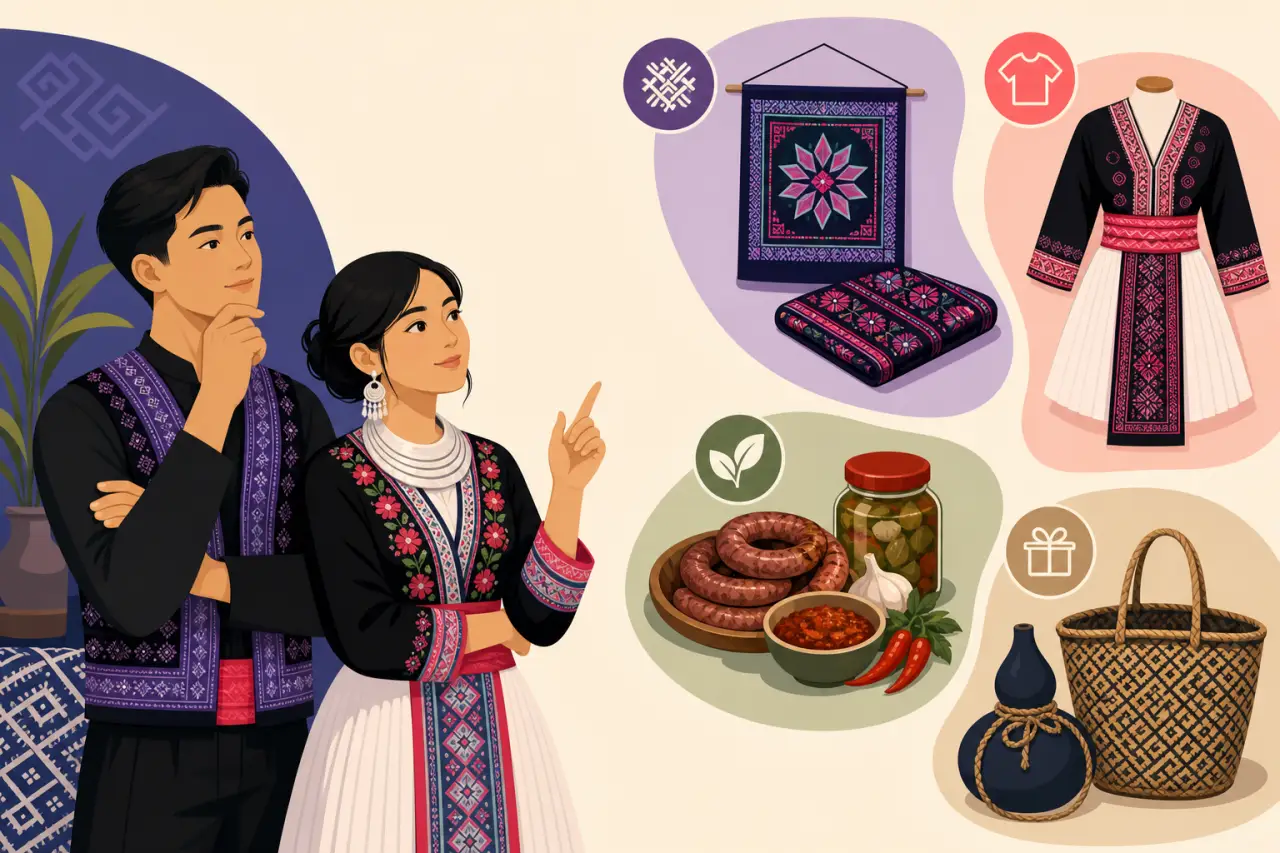
There's no single checklist that covers every product a Hmong-owned shop might list, because the fields that matter shift by category.
- If you sell embroidered or story-cloth textiles, the details a buyer cares about are fabric content, whether the stitching is hand-done or machine-assisted, and the finished dimensions — a paj ntaub piece described only as "large" leaves a buyer guessing whether it fits a frame they already own.
- If you sell clothing, sizing and fit matter more than almost anything else, especially for traditional garments that don't map cleanly onto US retail sizing.
- If you sell specialty food — sausages, herbs, sauces, snacks — the fields that matter are ingredients, allergens, and how it should be stored, not "condition" in the new-or-used sense at all.
- If you sell jewelry or accessories, material (sterling silver versus silver-plated, for instance) is the single detail most likely to make or break a sale.
Before you fill anything in, spend thirty seconds thinking about what you'd want to know if you were the buyer and couldn't touch the item or ask a question. That's your priority list for that specific listing, and it's usually a short, obvious one once you frame it that way.
It also helps to notice which details are the ones buyers actually message you about, because those are your real priority list, not a generic one. If you keep getting asked whether a skirt has an elastic or a hook-and-eye waistband, that's a detail worth putting directly in the description every time going forward, not just answering one buyer at a time. Pay attention to your own message history for a couple weeks and you'll usually find two or three questions that repeat — those are the gaps in your listings, not a coincidence.
Brand and Maker: What to Put When You Made It Yourself
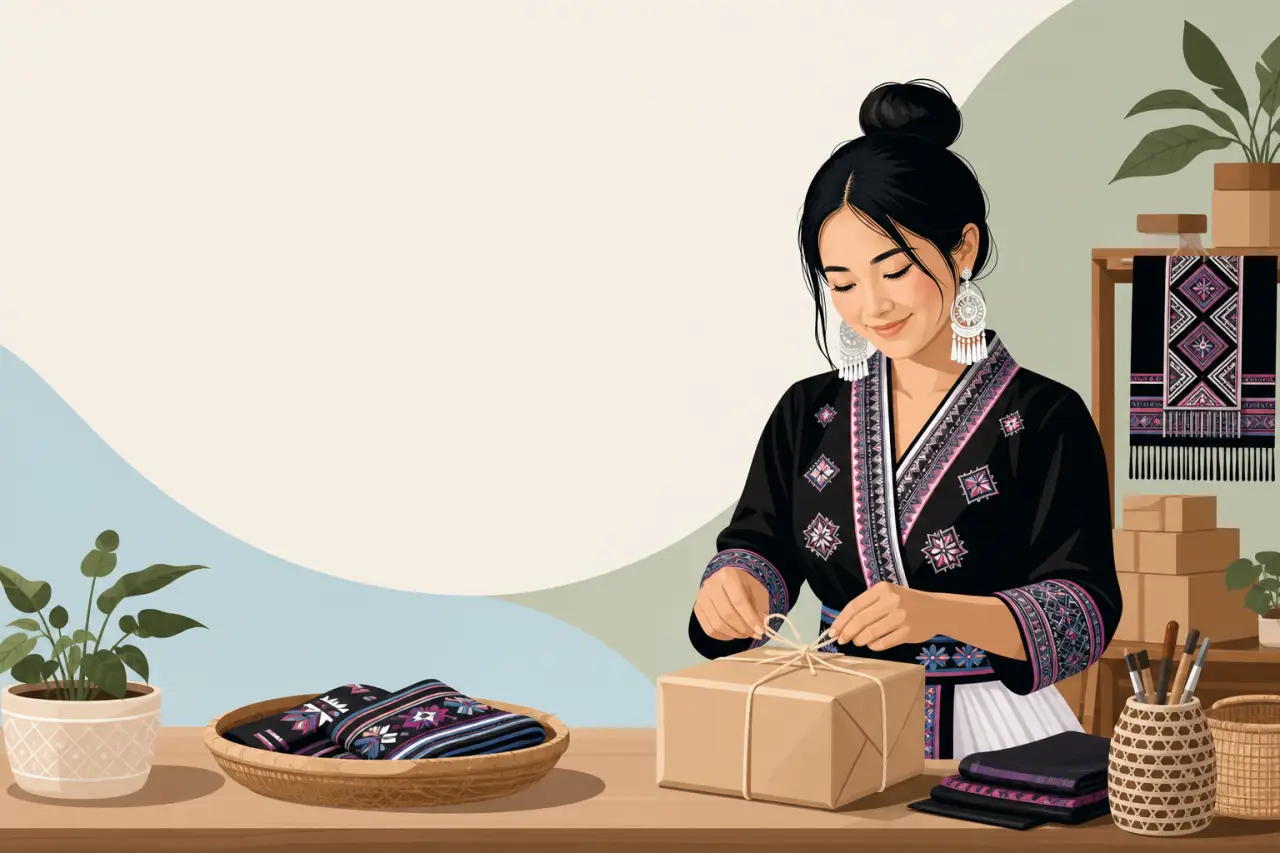
A lot of sellers on this marketplace are the maker, not a brand in the traditional retail sense, and that trips people up more than it should. Leaving the brand field blank because "it's not really a brand" is the wrong move — it just tells the system to fall back to a generic label that tells the buyer nothing and often hides your listing from anyone filtering by seller or maker.
Use "Handmade" if that's accurate, or better, use your actual business name. If you're Pa's Threads or Green Country Herbals, put that in the brand field every time, consistently spelled the same way across every listing. Buyers who liked one thing from your shop will often go looking for the maker's name specifically, and a consistent brand field is what makes that possible. It also does quiet work for your reputation over time — a shop where every listing clearly credits the same maker reads as more established and more trustworthy than one where half the listings say "Unbranded" and half say nothing at all.
Condition: Being Specific Instead of Just Technically Accurate
New, used, and refurbished cover the technical bases, but "technically accurate" and "actually useful to the buyer" aren't the same thing, especially for handmade goods. A hand-stitched item is new in the sense that it's never been owned, but it will have small variations — a slightly uneven seam, a color that varies a little piece to piece — that a mass-produced "new" item wouldn't. Say so directly in the description, one short sentence: "Hand-embroidered, so minor variation in stitching and color is normal and part of the piece." That sentence prevents the one bad review that comes from a buyer expecting factory-uniform and getting handmade instead.
For food and perishable goods, the condition field genuinely doesn't apply the way it does for a used jacket, so don't force it. What matters there is freshness and shelf life — pack date, best-by date, and storage instructions belong in the description even if there's no dedicated field for them, because a buyer deciding whether to order dried herbs or fresh sausage needs that information before they check out, not after.
Size, Color, and Material: The Fields Buyers Actually Filter By
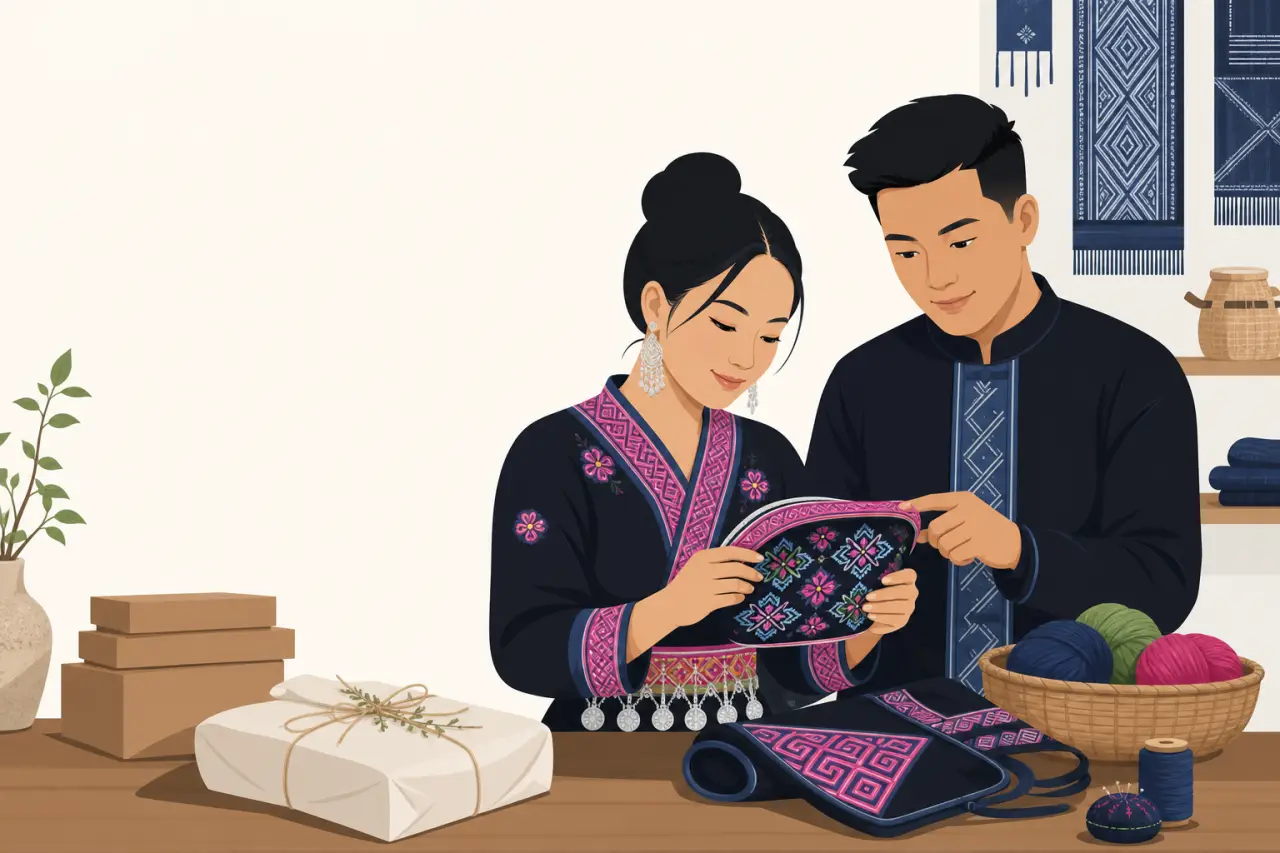
These three get filled in lazily more than any other fields, and they're the ones buyers rely on most heavily to narrow a search.
Sizing
Avoid a bare "M" or "L" whenever you can attach an actual measurement instead — chest width, length, waist, whatever's relevant to the item. This matters even more for traditional clothing than for standard American apparel, since a size label alone tells a buyer almost nothing about fit if the garment is cut differently than what they're used to. A single line like "chest 20 inches laid flat, length 26 inches" resolves more pre-purchase questions than any amount of back-and-forth messaging would.
Color
Name the actual dominant color rather than a vague catch-all like "assorted" or "multicolor" when the listing is for one specific item — if a piece is genuinely one-of-a-kind with several colors in it, name the two or three that stand out most, since that's what a buyer searching "red embroidery" or "blue skirt" is actually typing into the filter.
Material
Be as specific as your product allows:
- Cotton blend versus 100% cotton
- Sterling silver versus silver-plated
- Real versus faux leather
These distinctions affect price expectations directly — worth pairing with pricing strategies that work when you set your price — and getting them wrong — even unintentionally, by defaulting to a vague field — creates a mismatch between what the buyer thought they bought and what shows up.
Don't underestimate how much these three fields do for repeat buyers, either. Someone who bought a medium from you six months ago and loved the fit is going to filter by that same size again without rereading your whole shop's sizing notes — if your sizing language has drifted since then, you've quietly created a return. Keeping the same measurement conventions across every listing, and updating them everywhere at once if you ever change how you size something, protects that returning customer as much as it helps a first-time one.

Where Tags and Description Pick Up What the Dropdown Fields Can't
Structured fields are built for the categories that apply broadly across every seller on the platform, which means they'll never fully capture what makes a Hmong-owned product distinct — a specific pattern name, a regional style, an occasion it's traditionally worn or used for. That's what your tags and description are for, and treating them as an afterthought wastes real search value.
Use tags for the specific, searchable terms a buyer who already knows what they're looking for would type in: a pattern name, "Hmong New Year," "wedding," a specific dish name. These are terms a generic size or color filter will never surface, but a buyer who knows Hmong culture and is searching for something specific absolutely will type them. In your description — see what your description must include for the full policy — open with a single sentence that restates the key facts a buyer scanning quickly needs — size, material, what it's for — before you get into the story or background of the piece. Buyers who are ready to buy skim; buyers who are curious read the whole thing. Structuring your description that way serves both.

Keeping Details Consistent Across Your Whole Storefront
One carefully filled-out listing helps that one listing. Consistent details across every listing help your shop as a whole, because buyers who land on one accurate, complete listing tend to click through to browse the rest of your storefront — and if the next five listings are half-filled or inconsistent, that trust evaporates as fast as it was built.
If you're a small operation and different family members list items at different times, it's worth agreeing on a few conventions up front:
- How you'll phrase condition notes for handmade goods
- What your brand field says every time
- How you'll format measurements
A five-minute conversation once saves you from a storefront that reads like three different sellers wrote it. If you already have listings that predate this kind of consistency, it's worth setting aside one sitting to go through them together rather than fixing them one at a time whenever you happen to notice — batching the review means you catch the same gaps across every listing instead of missing the same thing five times in a row.

Updating Details After You've Already Listed
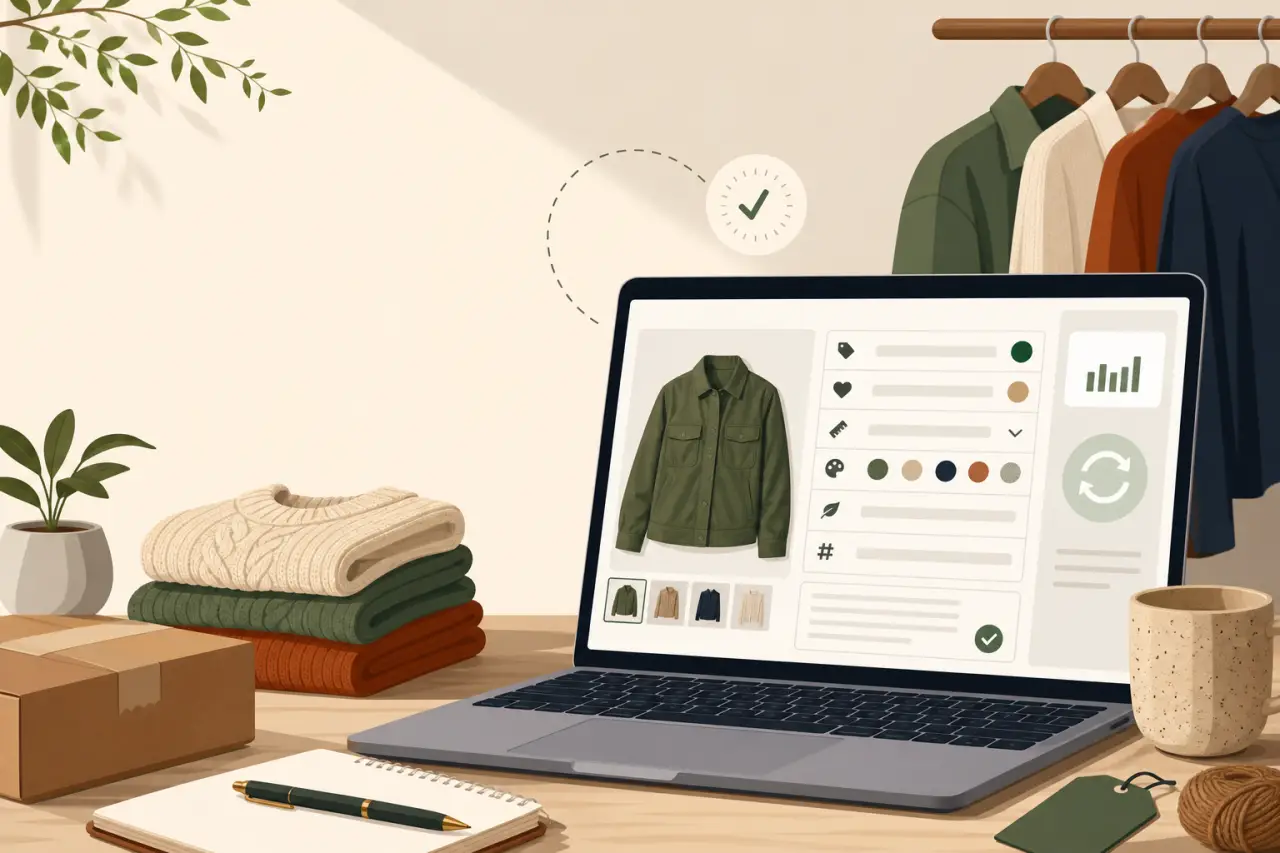
None of this has to be perfect on day one. You can edit brand, condition, size, color, material, tags, and description from your listing in the seller dashboard at any time, and the change takes effect immediately — there's no need to unpublish, relist, or lose your listing's history and any reviews attached to it.
The moments worth going back in for:
- When a restock brings in a slightly different color or material than what's currently listed
- When a buyer's question reveals a gap you hadn't thought to fill in the first time
- When the season changes and a detail that mattered in summer (breathability, weight) matters differently by winter
Treat your listing details as something you maintain, not something you set once and forget — a five-minute update after a good question from a buyer is a small thing that keeps the next ten buyers from having to ask it too.
Questions people ask
Do I really have to fill in all those detail fields, or can I just use good photos?
Photos get attention, but the detail fields are what get your listing into search results in the first place. Buyers narrow down by those fields — condition, size, color, material — before they ever see your photos. A listing with blank fields won't show up for someone filtering by specific criteria, even if the photos are great.
What should I put in the brand field if I made the item myself?
Put your actual business name, spelled consistently every time. If it's Pa's Threads or Green Country Herbals, use that instead of leaving it blank or writing "Handmade." Consistent branding helps buyers find your other listings and builds trust over time.
How specific do I need to be with sizing?
Give actual measurements instead of just a letter size whenever you can — chest width, length, waist, whatever's relevant. For traditional clothing especially, a label like "M" tells a buyer almost nothing about fit. One line like "chest 20 inches laid flat, length 26 inches" answers more questions than pages of back-and-forth.
Can I go back and fix my listings after I've posted them?
Yes. You can edit brand, condition, size, color, material, tags, and description anytime from your seller dashboard, and changes take effect immediately. You don't lose your listing history or reviews. Update whenever you notice a gap or when a buyer question reveals something you missed.
Written by
Hmong Network Team
Directory & Digital Services
We run the Hmong Network directory and do the web design and SEO/AEO work behind the results in our case studies. These guides come out of that same hands-on work with Hmong-owned businesses — not secondhand research.
